
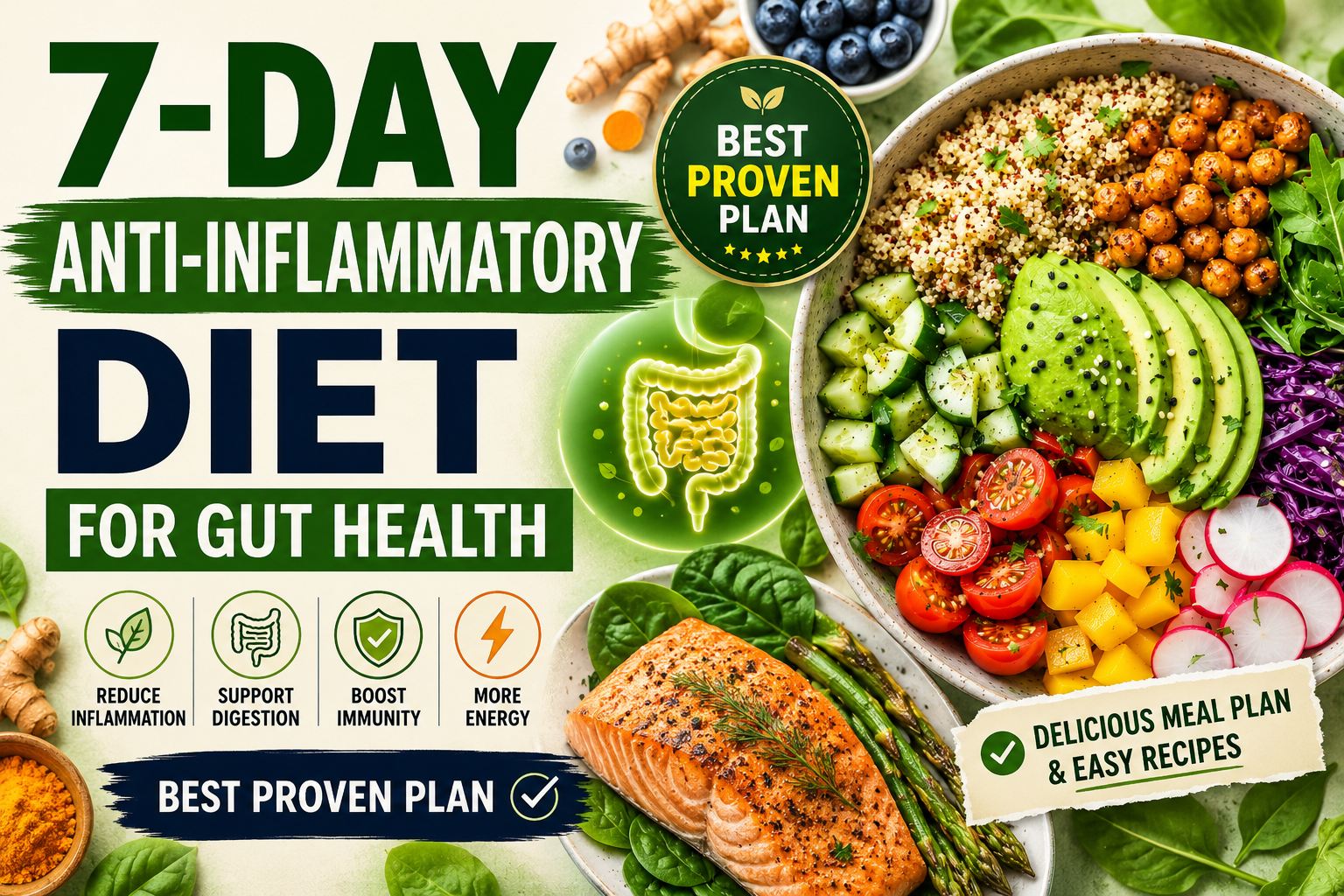
The Best 7-Day Anti-Inflammatory Diet for Gut Health (Ultimate Plan)
Are you constantly battling unpredictable digestion, afternoon fatigue, or stubborn skin flare-ups? It is incredibly frustrating when your body feels like it is working against you. Very often, the root cause of these mysterious, daily symptoms traces back to an inflamed, irritated digestive tract.
If you want to deeply calm your system from the inside out, following an anti-inflammatory diet for gut health is one of the most effective, science-backed approaches. By temporarily removing irritating foods and flooding your body with nutrient-dense, soothing ingredients, you can help repair your microbial balance.
In this comprehensive guide, we will break down exactly which foods soothe an inflamed digestive system. We have also included a realistic, delicious 7-day meal plan and simple recipes to make your healing journey completely stress-free.
⚡ Quick Answer: The Ultimate Healing Protocol
An anti-inflammatory diet for gut health focuses on eliminating highly processed foods, refined sugars, and inflammatory seed oils. Instead, it prioritizes omega-3 fatty acids, antioxidant-rich berries, leafy greens, lean proteins, and diverse prebiotic fibers to soothe the intestinal lining and promote beneficial bacteria growth.
Why Gut Inflammation Occurs (The Root Cause)
Your digestive tract is lined with a very thin, sensitive mucosal layer. This barrier is designed to absorb vital nutrients while keeping toxins and harmful bacteria out of your bloodstream. When we consume diets high in ultra-processed ingredients, this delicate barrier can become irritated.
According to research published by the National Institutes of Health (NIH), a prolonged state of dysbiosis (microbial imbalance) can compromise the intestinal barrier. This can allow inflammatory markers to leak into the bloodstream, a phenomenon often referred to in wellness circles as “leaky gut” or intestinal permeability.
When you start your healing journey, you are essentially giving this overworked barrier a much-needed vacation. You stop the daily barrage of chemical irritants, allowing your mucosal lining the time and nutrients it needs to naturally repair itself.
Anti-Inflammatory Diet for Gut Health: The Core Rules
To see real, tangible results, you need a two-step approach. First, we remove the most common dietary triggers. Second, we introduce therapeutic, soothing foods that actively calm tissue irritation.
Foods to Eliminate (The Triggers)
During this 7-day protocol, try your best to completely avoid these known inflammatory agents. Giving your body a break from these is often enough to significantly reduce immediate bloating.
- Refined Sugars: High-fructose corn syrup, cane sugar, and artificial sweeteners which can feed opportunistic bacteria.
- Industrial Seed Oils: Canola, soybean, and corn oil, which are high in inflammatory omega-6 fatty acids.
- Ultra-Processed Carbs: White bread, commercial pastries, and conventional pasta.
- Excessive Alcohol: Alcohol acts as a direct irritant to the stomach and intestinal lining.
Foods to Prioritize (The Healers)
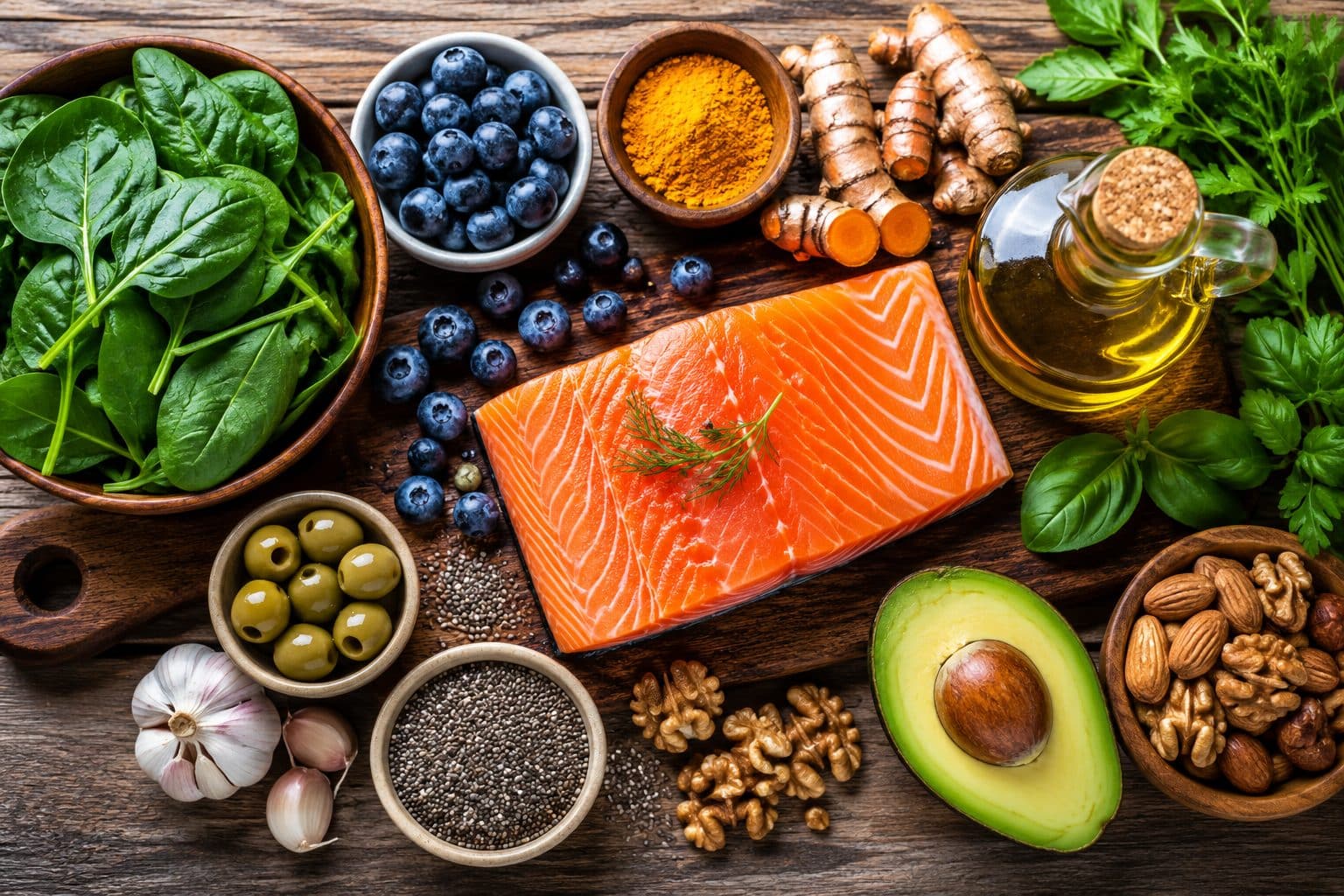
These ingredients form the foundation of a successful protocol. They are packed with antioxidants, healthy fats, and the exact type of fiber your microbiome craves.
- Omega-3 Rich Proteins: Wild-caught salmon, mackerel, sardines, and grass-fed meats.
- Polyphenol-Dense Fruits: Blueberries, blackberries, raspberries, and dark cherries.
- Cruciferous & Leafy Greens: Broccoli, cauliflower, spinach, and Swiss chard.
- Healing Spices: Turmeric (with black pepper for absorption), ginger, garlic, and cinnamon.
Your 7-Day Meal Plan Framework
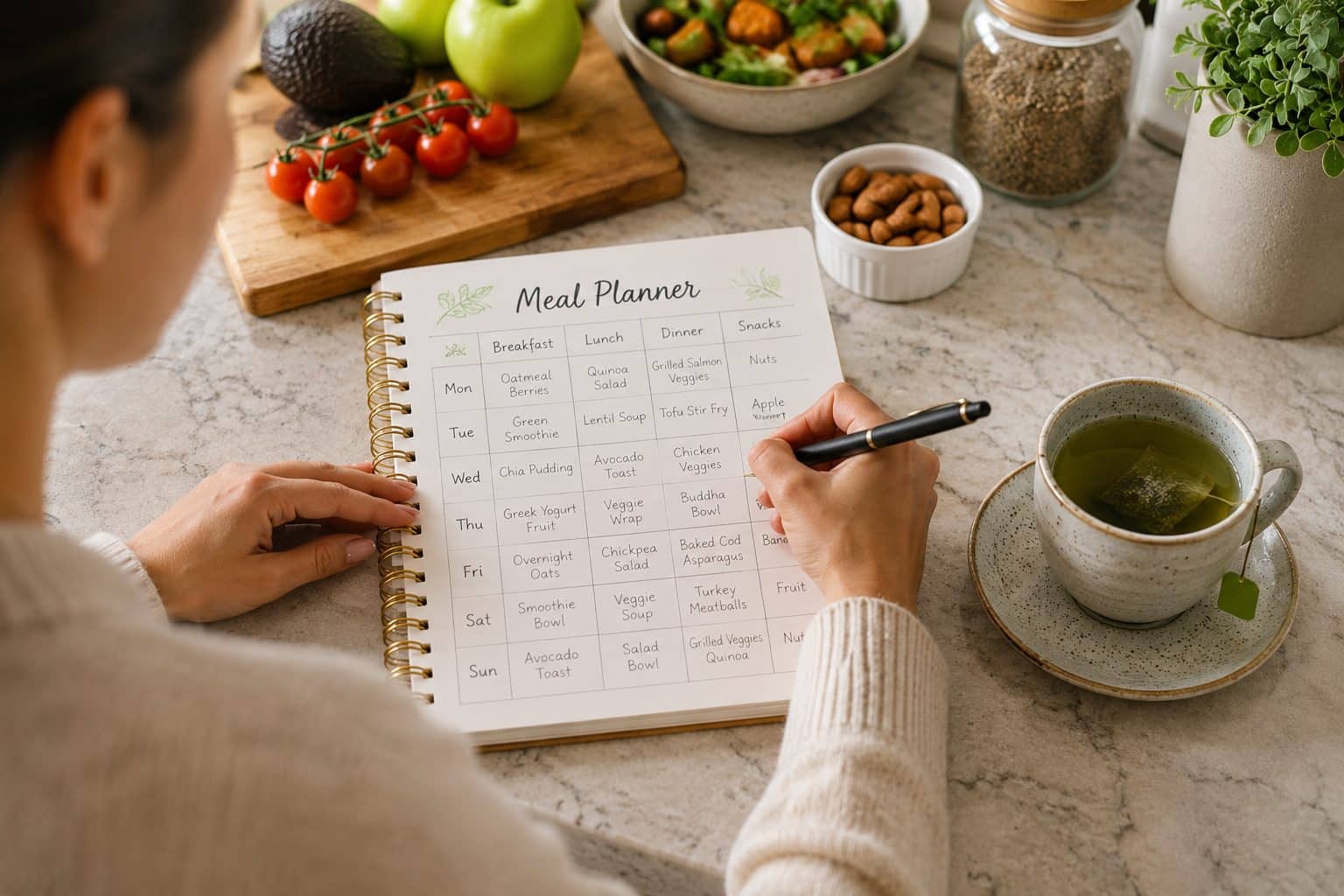
Starting a new dietary protocol can feel overwhelming, so we have mapped out a complete week for you. This meal plan focuses on accessible ingredients that naturally lower systemic inflammation. Remember to drink plenty of filtered water or herbal teas between your meals.
Day 1: The Reset
Breakfast: Berry & Kefir Smoothie (Recipe below) with a scoop of collagen peptides.
Lunch: Mixed greens salad with sliced avocado, cucumber, roasted pumpkin seeds, and a lemon-olive oil dressing.
Dinner: Wild Salmon with Asparagus (Recipe below) and half a cup of quinoa.
Day 2: Fiber Focus
Breakfast: Warm oatmeal topped with chia seeds, wild blueberries, and a dash of cinnamon.
Lunch: Leftover wild salmon and asparagus over a bed of fresh baby spinach.
Dinner: Pasture-raised chicken thigh baked with turmeric, alongside roasted sweet potatoes and zucchini.
Day 3: Plant Power
Breakfast: Two scrambled eggs cooked in coconut oil with a side of sautéed spinach and garlic.
Lunch: Creamy butternut squash soup (dairy-free) with a side of fermented sauerkraut.
Dinner: Zucchini noodles (zoodles) topped with a grass-fed beef and crushed tomato sauce.
Day 4: Omega Boost
Breakfast: Chia seed pudding made with unsweetened almond milk, topped with raspberries and walnuts.
Lunch: Canned wild sardines or tuna mixed with avocado mayonnaise, served in romaine lettuce boats.
Dinner: Baked cod fish with a side of steamed broccoli and a drizzle of extra virgin olive oil.
Day 5: Deep Nourishment
Breakfast: Green smoothie with spinach, half a green apple, ginger, flax seeds, and water.
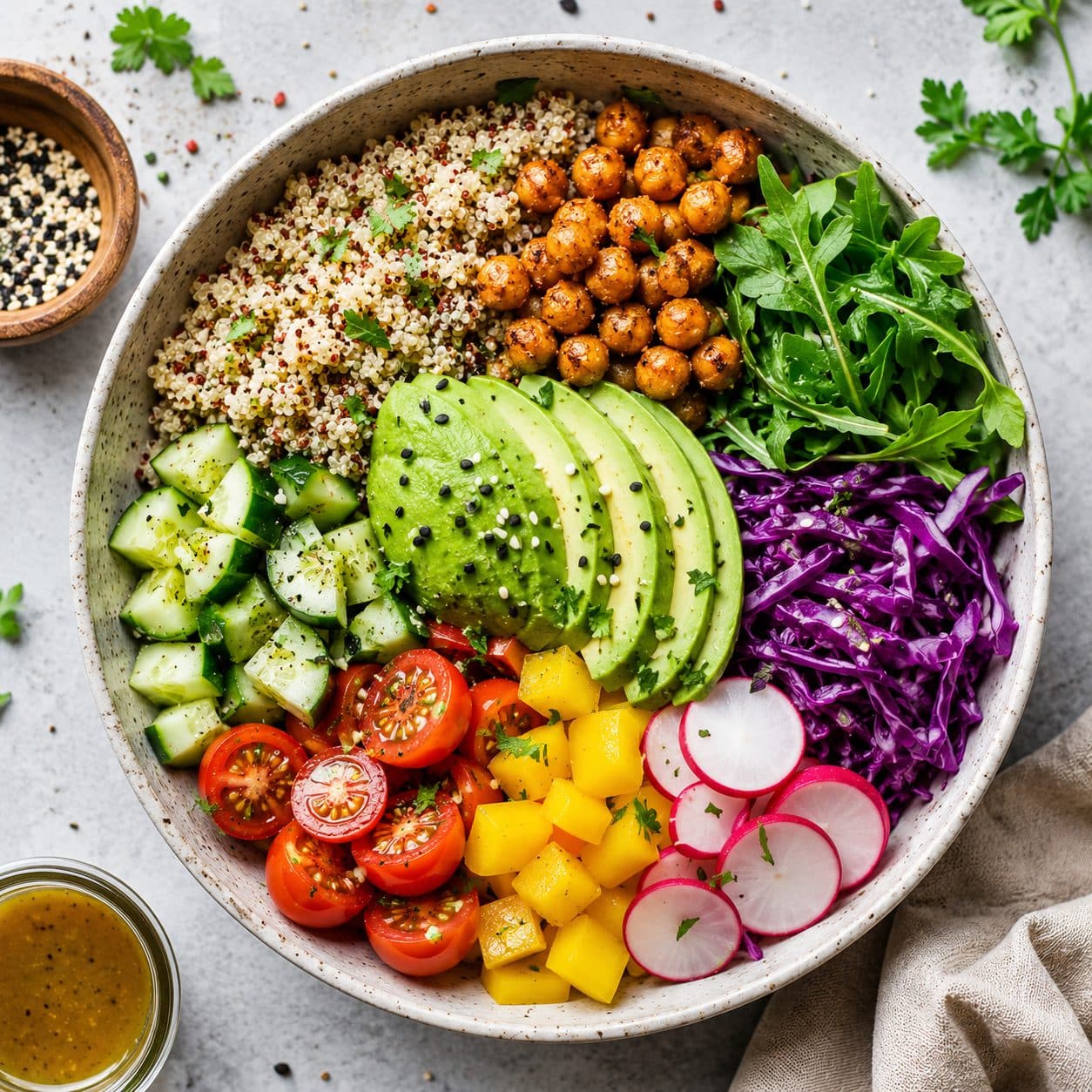
Lunch: Quinoa bowl with roasted chickpeas, cherry tomatoes, cucumbers, and a tahini-lemon dressing.
Dinner: Golden Turmeric Bone Broth (Recipe below) served with a side of roasted root vegetables.
Day 6: Microbiome Magic
Breakfast: Dairy-free coconut yogurt topped with hemp hearts and sliced underripe banana (excellent prebiotic).
Lunch: Turkey and avocado roll-ups (using nitrate-free turkey) with a side of fresh carrot sticks.
Dinner: Stir-fried bok choy, mushrooms, and shrimp cooked with ginger and coconut aminos.
Day 7: The Glow Up
Breakfast: Sweet potato hash cooked with diced onions, bell peppers, and two pasture-raised eggs.
Lunch: Leftover shrimp stir-fry from Day 6.
Dinner: Lemon-herb roasted chicken breast served alongside mashed cauliflower with ghee.
3 Easy Healing Recipes
Cooking at home is the best way to control exactly what goes into your body. These three recipes are incredibly simple, requiring minimal prep time while delivering maximum digestive benefits.
1. Berry & Kefir Soothing Smoothie
This smoothie is packed with polyphenols from the berries and natural probiotics from the kefir. It is highly digestible and perfect for busy mornings.
- 1 cup unsweetened, plain kefir (or coconut milk if dairy-free)
- 1/2 cup frozen wild blueberries
- 1 tablespoon chia seeds
- 1/2 inch of fresh ginger root, peeled
Directions: Combine all ingredients in a high-speed blender and blend until completely smooth. Enjoy immediately.
2. Wild Salmon with Asparagus
Salmon is rich in EPA and DHA, two omega-3 fatty acids heavily studied for their ability to lower systemic inflammation.
- 2 wild-caught salmon fillets
- 1 bunch of fresh asparagus, tough ends trimmed
- 2 tablespoons extra virgin olive oil
- Sea salt, black pepper, and half a lemon
Directions: Preheat your oven to 400°F (200°C). Place the salmon and asparagus on a baking sheet. Drizzle with olive oil, salt, and pepper. Bake for 12-15 minutes until the salmon flakes easily. Squeeze fresh lemon juice over the top before serving.
3. Golden Turmeric Bone Broth
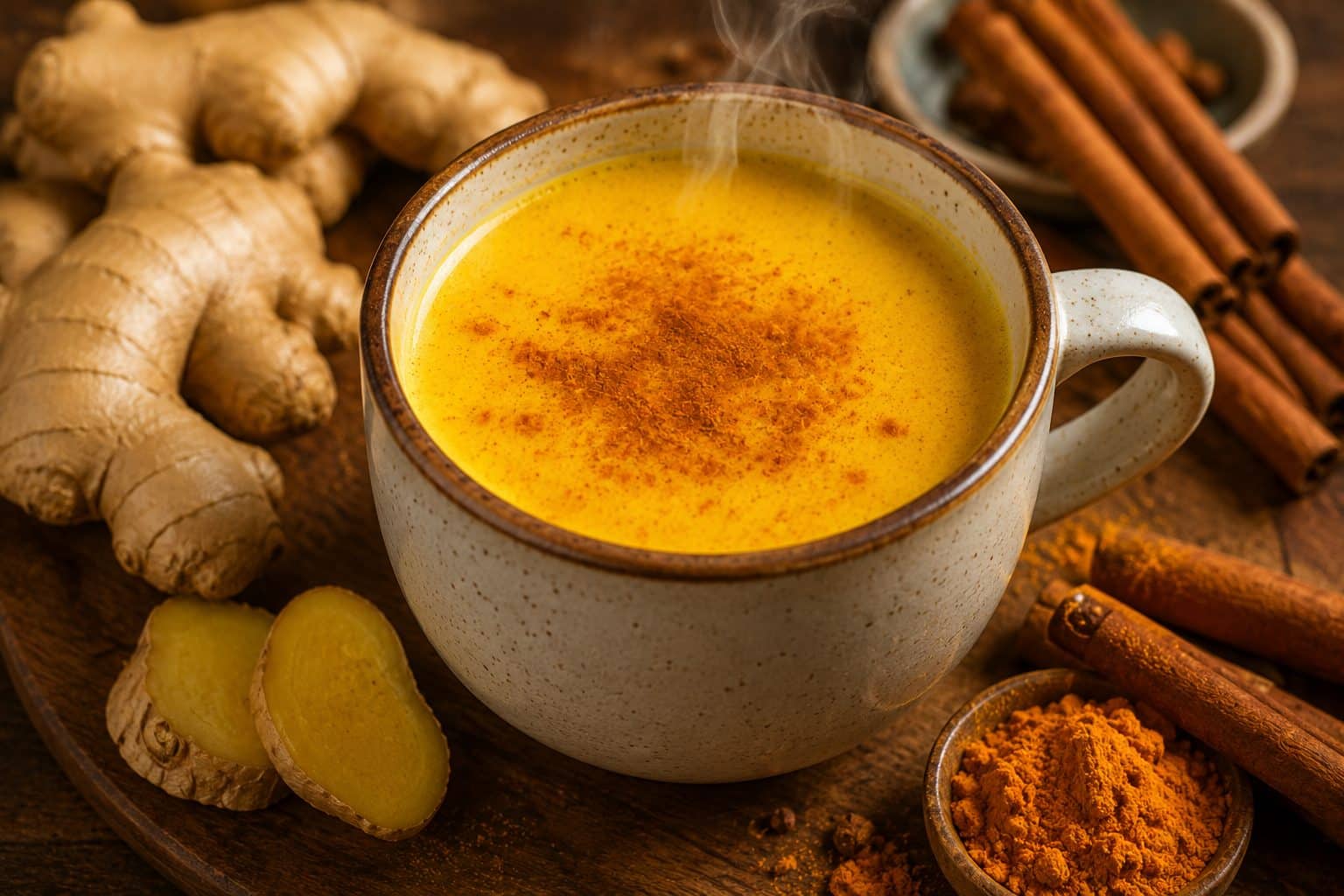
Bone broth contains natural collagen and amino acids like L-glutamine, which may support the intestinal lining.
- 2 cups high-quality chicken or beef bone broth
- 1/2 teaspoon organic turmeric powder
- A pinch of black pepper (crucial for turmeric absorption)
- 1 teaspoon grated fresh ginger
Directions: Warm the bone broth in a small saucepan over medium heat. Whisk in the turmeric, black pepper, and ginger. Simmer gently for 5 minutes, pour into a mug, and sip slowly.
The Skin and Hair Connection
When you commit to lowering inflammation internally, the results almost always show up externally. Chronic gut inflammation is frequently linked to skin issues like hormonal acne, eczema, and premature aging. By eating a nutrient-dense diet, you provide your body with the building blocks it needs for a radiant complexion.
To maximize these internal benefits, make sure your external routine is equally clean and barrier-supporting. You can explore our expert guides to build the best skincare routine or discover holistic ways to tackle shedding in our hair fall guide.
Key Takeaways for Success
- Preparation is Key: Stock your fridge with fresh produce and high-quality proteins before starting the 7-day plan to avoid reaching for processed snacks.
- Focus on What You Can Add: Instead of obsessing over restrictions, focus on adding more colors, spices, and omega-3s to your daily plate.
- Mind Your Cooking Methods: Avoid deep-frying or heavily charring your meats. Opt for steaming, gentle baking, or slow-cooking to preserve nutrients and avoid creating advanced glycation end products (AGEs).
- Hydration is Non-Negotiable: A sudden increase in dietary fiber requires adequate water intake to prevent constipation and support natural detoxification.
- Manage Your Stress: The healthiest diet in the world cannot completely counteract chronic psychological stress. Pair this meal plan with deep breathing or daily walking.
Frequently Asked Questions (FAQs)
How quickly will I feel better?
Many people notice a significant reduction in post-meal bloating and brain fog within just 3 to 5 days. However, deeply soothing the intestinal lining and shifting your microbial balance can take several weeks of consistent effort.
Can I drink coffee on this diet?
One cup of high-quality, organic black coffee is generally fine for most people, as coffee contains beneficial polyphenols. However, if you suffer from acid reflux or severe anxiety, consider swapping it for green tea or matcha, which are gentler on the stomach.
Is white rice considered inflammatory?
White rice is not inherently inflammatory, but it lacks the prebiotic fiber found in brown rice or quinoa. For a gentle gut reset, cooling cooked white rice overnight creates “resistant starch,” which acts as an excellent prebiotic fuel for your microbiome.
What should I snack on between meals?
If you feel genuinely hungry, reach for snacks that stabilize blood sugar. A handful of walnuts, cucumber slices with hummus, or half an avocado with a pinch of sea salt are excellent, soothing choices.
Do I need to eat 100% organic?
While organic produce minimizes your exposure to synthetic pesticides (which can harm gut bacteria), it is not strictly necessary. If on a budget, refer to the EWG’s “Clean Fifteen” and “Dirty Dozen” lists to prioritize which items to buy organic.
Is this diet safe for everyone?
While an anti-inflammatory protocol is incredibly safe and based on whole foods, individuals with specific conditions like SIBO, Crohn’s disease, or severe IBS may need a more customized approach, such as a low-FODMAP diet, guided by a professional.
A Calmer, Happier Gut Awaits
Implementing an anti-inflammatory diet for gut health is one of the greatest acts of self-care you can practice. You are actively choosing to stop fighting your body and instead give it the gentle, nourishing support it requires to heal.
While the first few days of removing refined sugars and processed foods might feel challenging, the resulting mental clarity, steady energy, and quiet digestion are more than worth the effort. Treat this 7-day plan as an experiment to learn exactly what makes your body thrive.
Are you planning to try this 7-day reset? Which recipe are you most excited to make? Let me know in the comments below, and share this guide with a friend who might need a digestive reset!
📚 References
- National Institutes of Health (NIH): Dietary Inflammatory Index and health outcomes.
- Harvard Health Publishing: Foods that fight inflammation.
- American Gastroenterological Association (AGA): The role of diet and the microbiome in gastrointestinal health.
This article is intended for educational and informational purposes only and should not replace professional medical advice, diagnosis, or treatment. Always consult a qualified healthcare provider or gastroenterologist before making drastic dietary changes, starting a new meal plan, or if you are managing an underlying medical condition, taking prescription medication, pregnant, or breastfeeding.