
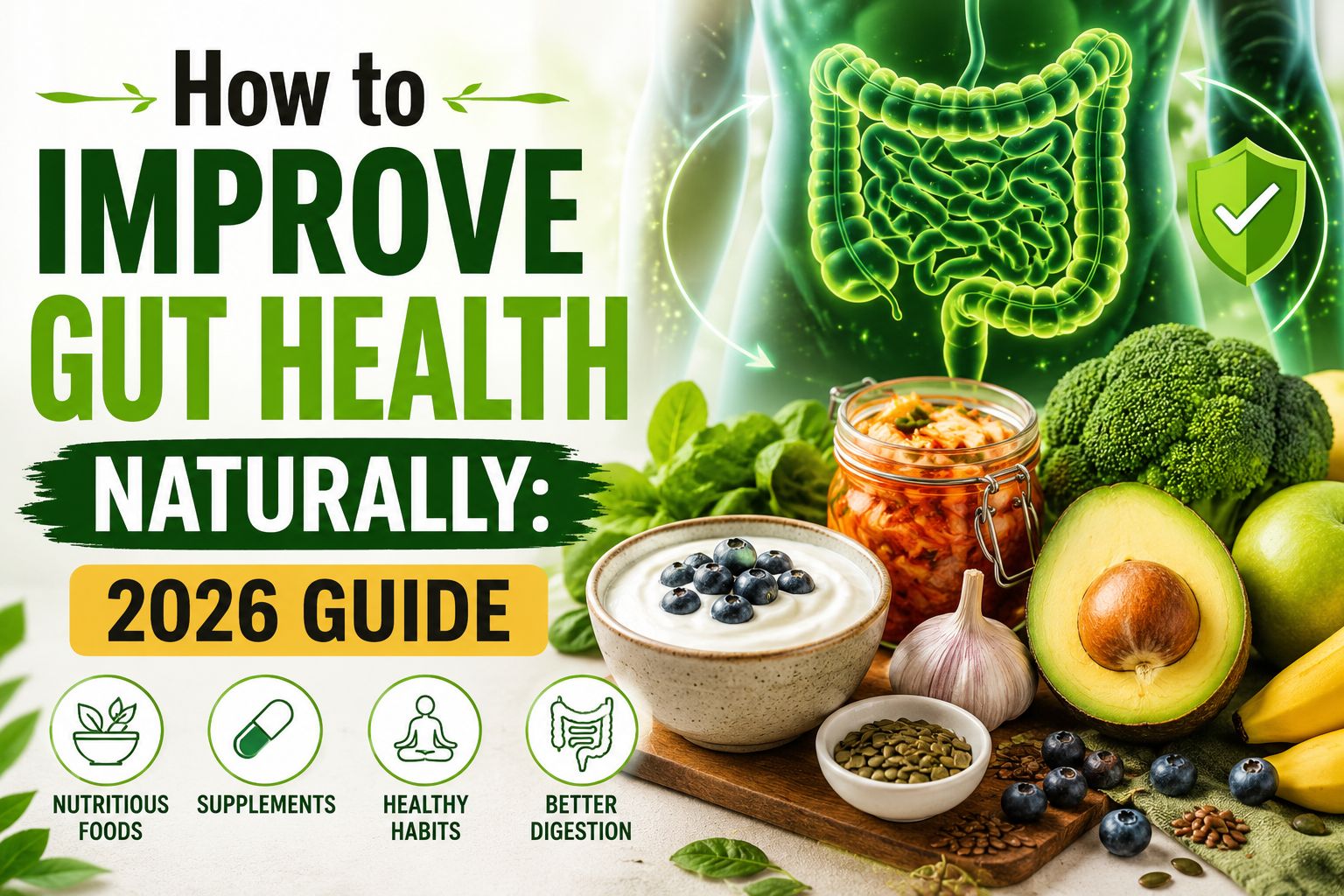
How to Improve Gut Health Naturally: 7 Simple Steps
Struggling with daily bloating, afternoon brain fog, or random skin breakouts? You are definitely not alone. When our bodies feel sluggish or unpredictable, we often look for quick cosmetic fixes, completely ignoring the root cause. The secret to vibrant energy, clear skin, and a resilient immune system often lies right inside your digestive tract.
If you are wondering exactly how to improve gut health naturally, this guide breaks down everything you need to know. We will explore the best whole foods, science-backed supplements, and simple daily habits to get your system back on track. Healing your microbiome is a journey, but it is entirely possible with a few consistent, evidence-based tweaks.
⚡ Quick Answer: How to Improve Gut Health Naturally
The most effective way to improve gut health naturally is by eating fiber-rich whole foods, incorporating fermented foods containing diverse probiotic strains, staying properly hydrated, managing daily stress, and getting consistent sleep. Minimizing excess ultra-processed foods, highly refined sugars, and avoiding the unnecessary overuse of antibiotics are equally critical steps to protect your microbiome.
Why Your Microbiome Matters (The Science Made Simple)
Your gut is home to an estimated 39 trillion microorganisms, collectively known as the microbiome. Think of this microscopic community as your body’s internal control center. It dictates how you digest food, absorb vital nutrients, synthesize essential vitamins, and even how your immune system functions.
When harmful bacteria outnumber the beneficial ones, you experience a state called dysbiosis. This imbalance can lead to systemic inflammation, which researchers are finding can ripple across multiple bodily systems. In fact, comprehensive data published by the National Institutes of Health (NIH) highlights that a diverse gut microbiome is crucial for defending against chronic inflammatory conditions.
Maintaining this delicate balance doesn’t require extreme diets or expensive cleanses. By feeding the good bacteria and gently starving the bad, your gut can naturally rebalance itself over time.
The Best Foods for a Thriving Gut
When looking at how to improve gut health naturally, diet is the most powerful tool you have to reshape your microbiome. What you eat directly feeds the microbial community living in your digestive tract, meaning every meal is an opportunity to cultivate a healthier internal environment.
Load Up on Probiotic-Rich Foods
Probiotics are live, beneficial bacteria that you can introduce directly into your system through fermented items. Consuming these naturally fermented foods helps populate your digestive tract with diverse strains of good microbes.
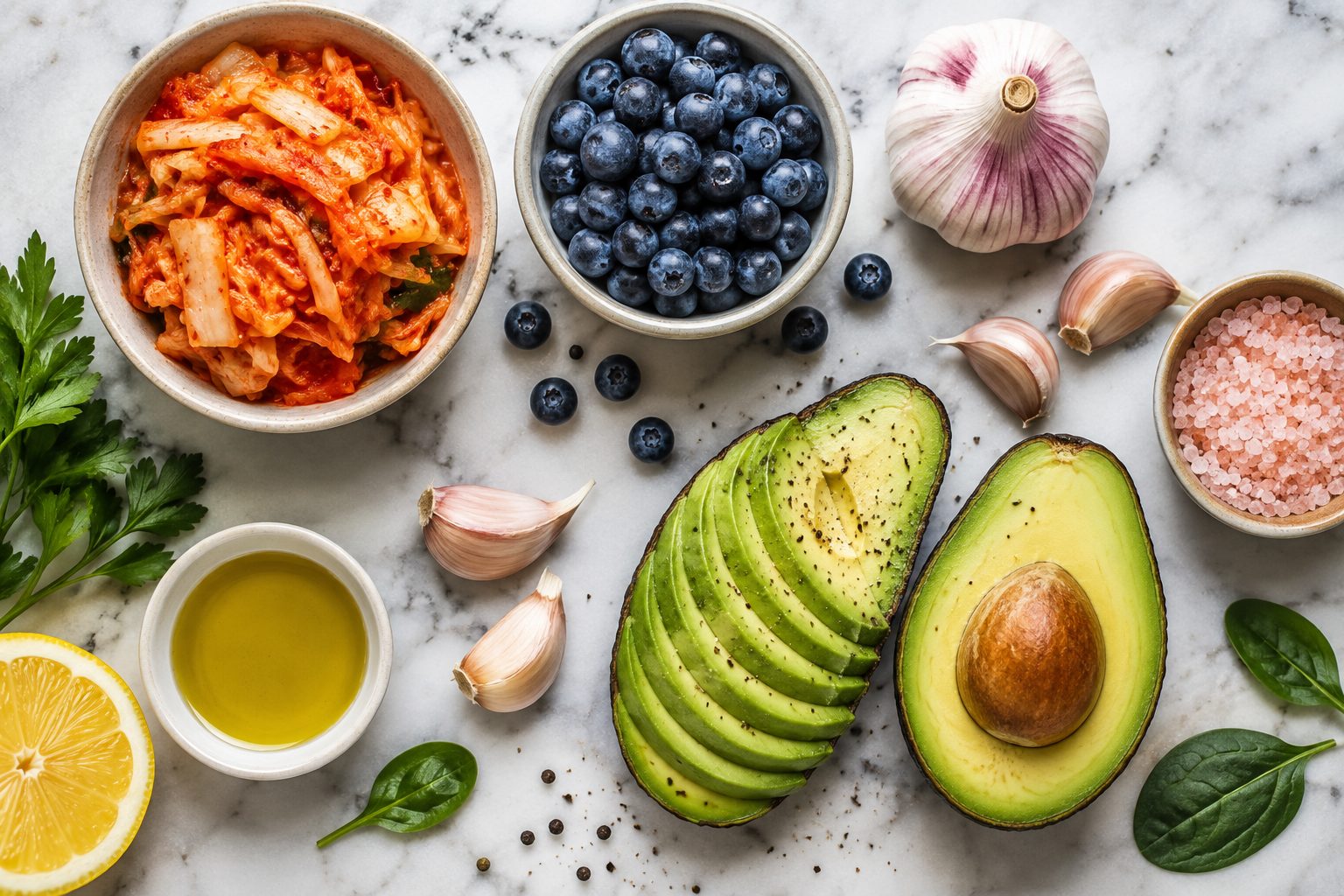
Excellent natural sources include unpasteurized sauerkraut, kimchi, kombucha, and traditional kefir. Try to include at least one fermented food in your daily diet. Just adding a small spoonful of authentic sauerkraut to your lunchtime salad can make a profound difference.
Do Not Forget Prebiotic Fiber
While probiotics get most of the spotlight, prebiotics are equally essential. According to the American Society for Nutrition, most adults only consume about 15 grams of fiber daily, falling far short of the recommended 25 to 30 grams. Prebiotics are specialized plant fibers that travel to your lower gut to act as a crucial food source for your good bacteria.
Without prebiotic fiber, even high-quality probiotics cannot survive and thrive. Stock up on everyday ingredients like garlic, onions, leeks, asparagus, Jerusalem artichokes, and slightly underripe bananas.
Add Anti-Inflammatory Polyphenols
Polyphenols are potent plant compounds that help reduce internal inflammation. Emerging evidence suggests they also stimulate the growth of beneficial Bifidobacteria and Lactobacillus strains while keeping less desirable bacteria in check.
You can find high concentrations of polyphenols in dark berries, dark chocolate, green tea, and extra virgin olive oil. Swapping your afternoon espresso for a cup of antioxidant-rich green tea is an easy way to sneak these into your routine. For more diet-based healing tips, explore our latest guide on anti-inflammatory foods.
Gut-Healing Supplements: What the Evidence Says
Whole foods should always be your primary focus, but targeted supplements can offer a convenient boost when your system needs extra support. The wellness market is highly saturated, so it is important to look closely at what the science actually supports.
Keep in mind that supplement quality matters immensely. Always look for third-party testing and clinically studied ingredients to ensure you are getting exactly what you pay for.
Probiotics and Prebiotic Blends
If you struggle to eat fermented foods regularly, a daily probiotic capsule can be a solid alternative. However, modern guidelines from organizations like the American Gastroenterological Association (AGA) suggest that the ideal probiotic depends heavily on the specific bacterial strains and your unique health needs, rather than high CFU counts alone. Look for formulas that clearly list specific strains, such as Lactobacillus acidophilus NCFM.
L-Glutamine Support
L-glutamine is an amino acid that serves as a primary fuel source for the cells lining your small intestine. Some clinical studies suggest L-glutamine may support the integrity of the intestinal lining, particularly for those experiencing gut lining vulnerability or increased intestinal permeability. It is widely utilized by wellness practitioners to support mucosal structure, though robust human trials are ongoing.
Digestive Enzymes
Enzymes help break down complex macronutrients so your body can absorb them easily. While your pancreas naturally produces these, temporary shortfalls can occur due to age or stress. Taking a high-quality digestive enzyme right before a heavy meal may help reduce immediate post-meal bloating and discomfort for certain individuals.
Supplement Comparison Guide
| Supplement Type | Best For | Potential Considerations | Natural Food Alternative |
|---|---|---|---|
| Probiotics | Supporting specific bacterial populations and immune health. | Those with SIBO or compromised immune systems should consult a physician first. | Traditional kefir, unpasteurized kimchi, plain live yogurt. |
| Prebiotics | Fueling existing beneficial gut bacteria and improving regularity. | May cause temporary gas or bloating in people highly sensitive to FODMAPs. | Raw garlic, onions, leeks, chicory root. |
| L-Glutamine | Supporting the structural integrity of the intestinal mucosal lining. | Individuals with severe liver or kidney disease should exercise caution. | Bone broth, wild-caught fish, grass-fed beef. |
| Digestive Enzymes | Assisting the breakdown of tough-to-digest macronutrients. | Avoid if you have active stomach ulcers or severe gastritis. | Fresh pineapple, papaya, raw honey. |

Daily Habits to Support Digestion
Figuring out how to improve gut health naturally goes far beyond what you put on your plate. Your daily lifestyle habits directly influence how efficiently your digestive system processes nutrients and moves waste.
Chew Your Food Thoroughly
Digestion actually begins in your mouth, not your stomach. Your saliva contains crucial enzymes that immediately start breaking down complex carbohydrates. Gulping down meals practically whole forces your stomach to work much harder, frequently leading to excess gas and fermentation.
Aim to chew each bite about 20 to 30 times before swallowing. Taking the time to eat mindfully can eliminate a surprising amount of daily, functional bloating.
Manage Your Stress Levels
The gut-brain axis is a direct, bidirectional communication line between your central nervous system and your microbiome. Chronic stress releases cortisol and adrenaline, which can aggressively disrupt your digestive balance and motility.
When your brain perceives high stress, your body diverts energy away from digestion, bringing the entire process to a crawl. Practicing deep diaphragmatic breathing before meals, daily meditation, or taking gentle walks can help keep your stress hormones in check.
Stay Consistently Hydrated
Water is absolutely necessary to break down food, facilitate nutrient absorption, and keep waste moving smoothly through your large intestine. Dehydration remains one of the leading, yet most easily preventable, causes of chronic constipation.
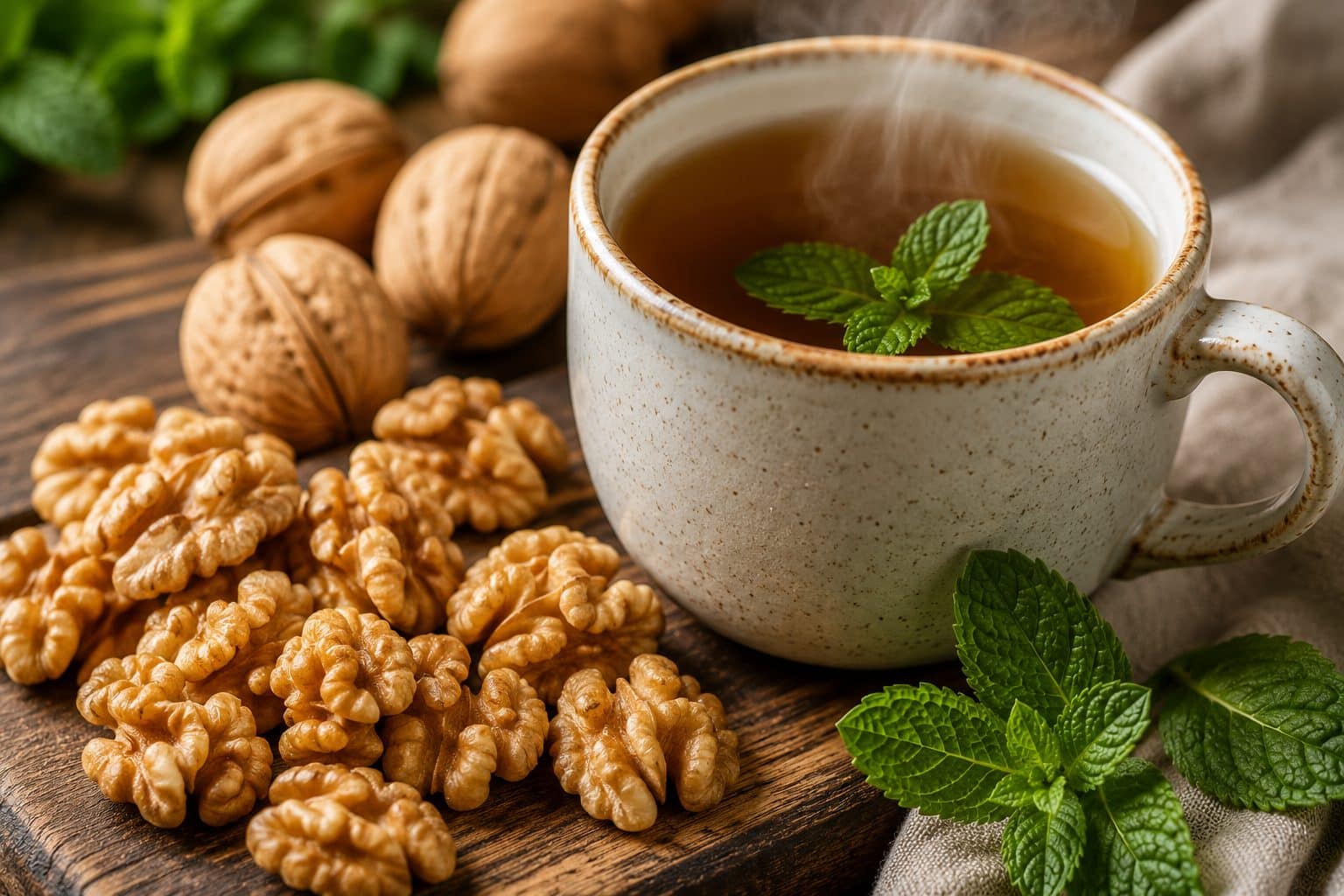
Many people find warm water or herbal teas highly soothing after meals, although clinical evidence that it dramatically speeds up digestion is limited. Focus simply on hitting your overall fluid targets consistently throughout the day.

The Holistic Connection: Digestion, Skin, and Hair
Your outward appearance is often an insightful reflection of your internal health. If your gut health is compromised or prone to systemic inflammation, your skin and hair will frequently mirror those internal challenges.
The Gut-Skin Axis
Emerging research suggests gut health may influence certain inflammatory skin conditions, an area actively being studied by dermatologists worldwide. When the intestinal barrier is compromised, inflammatory markers can potentially enter the bloodstream, aggravating the skin matrix and triggering breakouts.
By working to lower internal inflammation through a nutrient-dense diet, many individuals notice a visible improvement in their complexion over time. While healing from the inside out is crucial, matching it with a supportive, barrier-protecting topical routine accelerates your results. To design a regimen that perfectly complements your internal wellness journey, explore our curated expert tips for the best skincare routine.
The Gut-Hair Connection
Your hair follicles require a steady, uninterrupted supply of vitamins, minerals, and amino acids to grow strong. If your digestive tract is inflamed or imbalanced, your capacity to absorb vital nutrients from your meals drops significantly.
A balanced microbiome ensures your body actually metabolizes and utilizes the healthy inputs you give it. To discover targeted holistic tips for reducing structural thinning and supporting scalp health, check out our comprehensive hair fall guide.
Elements to Minimize for a Balanced Microbiome
Building a healthy gut is as much about intentionally removing the things that cause harm as it is about adding beneficial foods. Some common dietary staples are notoriously tough on our delicate digestive ecosystems.
- Refined Sugars: Diets high in highly refined sugar can actively feed opportunistic bacteria and yeast strains, leading to microbial imbalances and increased systemic inflammation.
- Artificial Sweeteners: Preliminary animal and human cohort studies suggest that certain synthetic sweeteners can negatively alter the composition and metabolic activity of your microbiome.
- Unnecessary Antibiotic Use: While antibiotics are entirely necessary and life-saving for bacterial infections, their overuse can act like a wildfire, wiping out protective good bacteria alongside the bad. Always follow your doctor’s exact guidance, and consider discussing a post-antibiotic recovery protocol with a professional if you must take a course.
Key Takeaways: How to Improve Gut Health Naturally
- Prioritize Fiber Diversity: Aim for a wide variety of colorful, fiber-rich whole foods every single week to feed different bacterial strains.
- Incorporate Fermented Foods Daily: Add small, consistent servings of unpasteurized kefir, kimchi, or sauerkraut to your meals.
- Stay Hydrated: Drink plenty of water throughout the day to support mucosal lining health and ease transit.
- Soften the Impact of Stress: Incorporate simple nervous system down-regulation practices, especially right before you sit down to eat.
- Focus on Sleep Quality: Prioritize 7 to 9 hours of restorative sleep to give your intestinal lining adequate time to repair.
- Be Strategic with Supplements: Utilize targeted probiotics based on strain efficacy, or support options like L-glutamine, under professional guidance.
Frequently Asked Questions (FAQs)
How long does it take to improve gut health naturally?
When you are learning how to improve gut health naturally, timeline expectations are important. With consistent dietary updates, many individuals notice an improvement in functional bloating and comfort within two to four weeks. However, deeply rebalancing a heavily compromised microbiome can take anywhere from three to six months of steady habit changes.
What is the safest way to support gut transit and regular elimination?
The most sustainable method is increasing your daily intake of soluble and insoluble fibers alongside ample water. Avoid relying on harsh chemical laxatives or aggressive detox teas, as these can cause severe electrolyte imbalances and dependency.
Are gut health supplements really worth the money?
They can be highly beneficial when used strategically, but they cannot outwork a poor, nutrient-stripped diet. Always prioritize whole foods first, and use third-party tested supplements to fill specific gaps or address distinct therapeutic needs.
What are the most common signs of an unbalanced gut?
Frequent bloating, excessive gas, chronic constipation, diarrhea, and severe acid reflux are direct signs. Indirect signs can include persistent sugar cravings, unexplained daytime fatigue, chronic skin irritation, and mood fluctuations.
Can I get enough probiotics just from eating regular commercial yogurt?
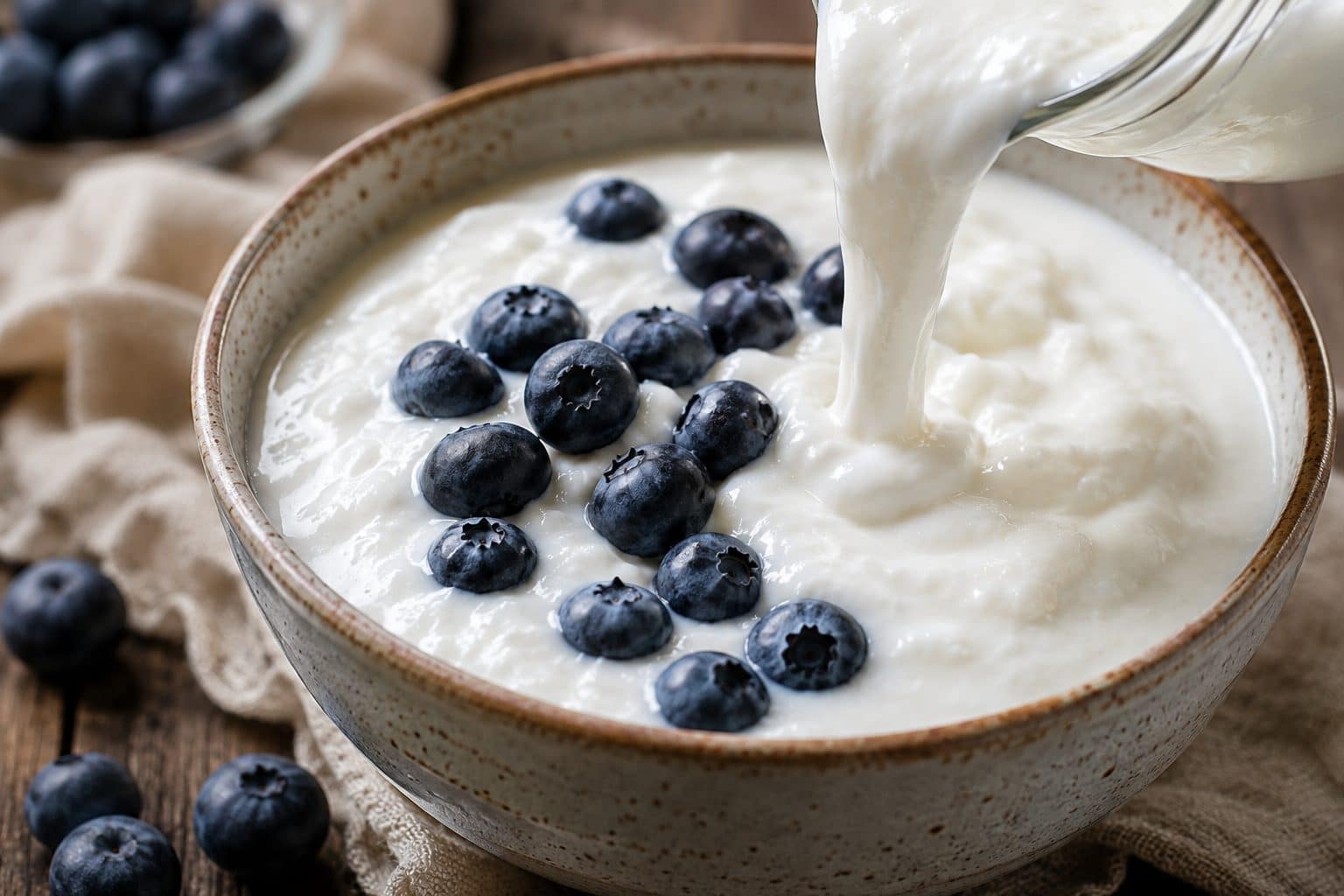
It depends entirely on the processing. Many commercial yogurts are pasteurized after fermentation, which kills off the live bacteria, and are often heavily loaded with added refined sugars. Look for plain options labeled explicitly with “live and active cultures” and zero added sugars.
How does sleep deprivation negatively impact the microbiome?
Sleep loss acts as a physiological stressor, elevating systemic cortisol levels. This hormonal shift can increase intestinal permeability and cause unfavorable shifts in the structural balance of your microbial communities.
Does drinking warm water actually accelerate digestion?
While many people find warm liquids comforting and physically relaxing to the gastrointestinal muscles post-meal, scientific evidence showing that it significantly speeds up chemical digestion compared to room-temperature water is limited.
Your Path to a Balanced, Energized Body
Now that you know exactly how to improve gut health naturally, it is time to put these steps into action. Healing your digestion does not require an extreme, restrictive 10-day detox or an expensive array of specialty products. It is all about building sustainable, gentle habits that respect and support your body’s natural biological functions.
Focus on expanding the variety of whole, fiber-rich foods on your plate, managing your stress responses, and staying properly hydrated. Over time, these foundational shifts will reward you with steady energy, a clearer complexion, and a comfortably quiet digestive system.
What is one small, natural adjustment you plan to make for your digestive wellness this week? Let me know your experiences or ask your questions in the comments below!
📚 References
- National Institutes of Health (NIH): Role of the gut microbiota in nutrition and health.
- American Gastroenterological Association (AGA): Clinical guidelines on the use of probiotics for gastrointestinal disorders.
- American Society for Nutrition (ASN): Dietary fiber consumption and its impact on the gut microbiome.
- World Health Organization (WHO): Guidelines on sugar intake and noncommunicable diseases.
This article is intended for educational and informational purposes only and should not replace professional medical advice, diagnosis, or treatment. Always consult a qualified healthcare provider or gastroenterologist before starting any new supplement regimen, making drastic dietary changes, or if you are managing an underlying medical condition, taking prescription medication, pregnant, or breastfeeding.