
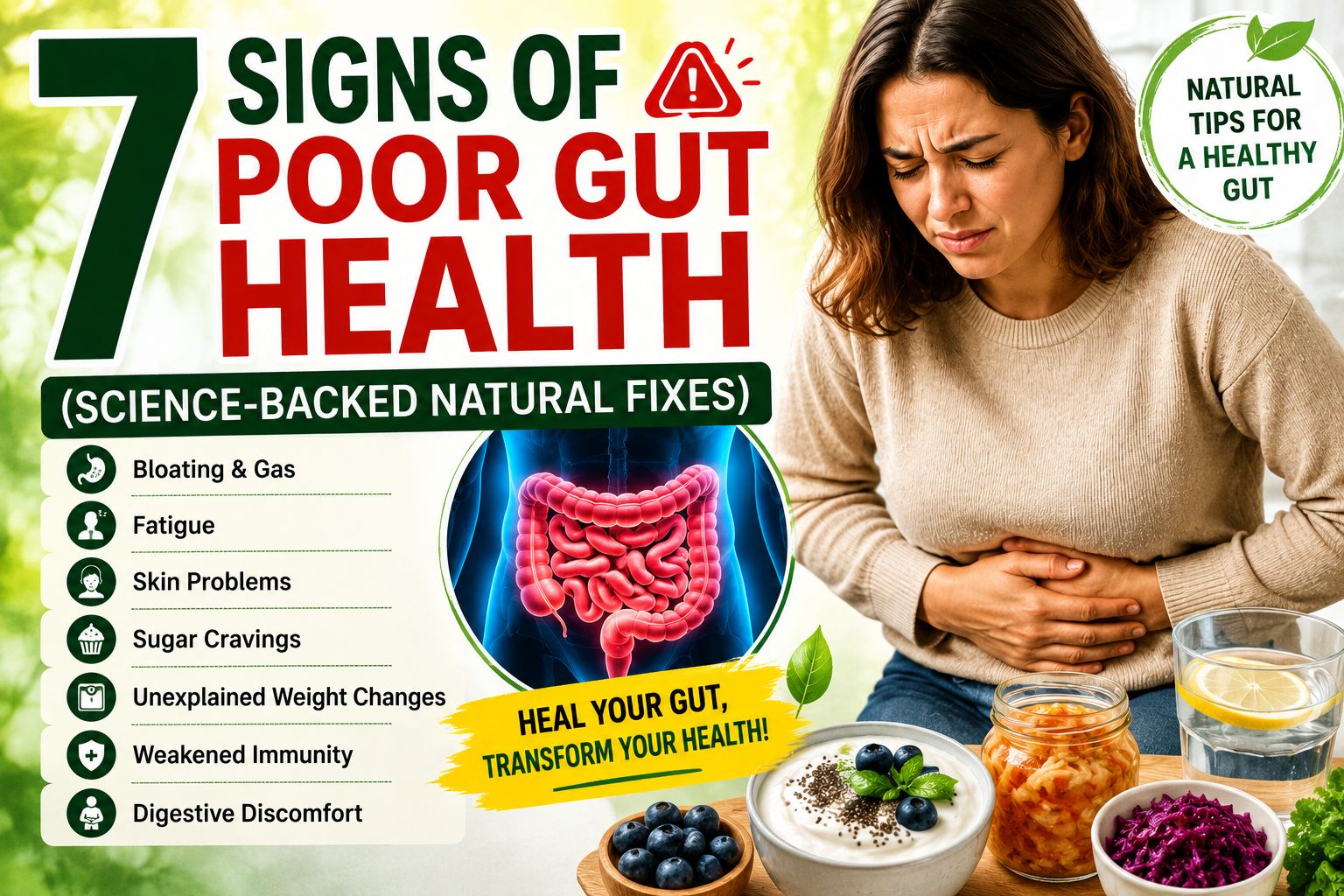
7 Hidden Signs of Poor Gut Health (Best Proven Fixes)
Do you frequently wake up feeling exhausted, struggle with unexpected skin breakouts, or deal with daily bloating that you just cannot explain? We often treat these symptoms as normal parts of a busy life, brushing them off or reaching for quick cosmetic fixes and extra coffee.
However, if you are experiencing the signs of poor gut health, these seemingly unrelated issues might actually be warning signals from your digestive tract. Because the microbiome is the command center for your immune system, hormone production, and nutrient absorption, imbalances here rarely stay confined to your stomach. They manifest in “hidden” ways across your entire body.
In this guide, we will explore the most commonly overlooked indicators that your microbiome is struggling, and provide science-backed, natural strategies to help you restore balance from the inside out.
⚡ Quick Answer: What to Look For
The most common indicators of an imbalanced microbiome include chronic digestive discomfort (bloating, gas), persistent sugar cravings, unexplained fatigue, unexpected weight changes, and inflammatory skin conditions like acne or eczema. Fixing these issues naturally involves a diet rich in prebiotic fiber, fermented foods, proper hydration, and stress management.
Why Your Gut Microbiome Dictates Your Overall Health
Your gut is home to an estimated 39 trillion microorganisms. This complex ecosystem is responsible for breaking down food, synthesizing essential vitamins (like Vitamin K and various B vitamins), and even influencing the production of neurotransmitters such as serotonin.
When harmful bacteria, yeast, or fungi outnumber the beneficial strains, you enter a state known as dysbiosis. According to extensive research compiled by the National Institutes of Health (NIH), dysbiosis is closely linked to systemic inflammation. Over time, this inflammation can weaken the intestinal wall, allowing particles to leak into the bloodstream—a condition commonly referred to as intestinal permeability.
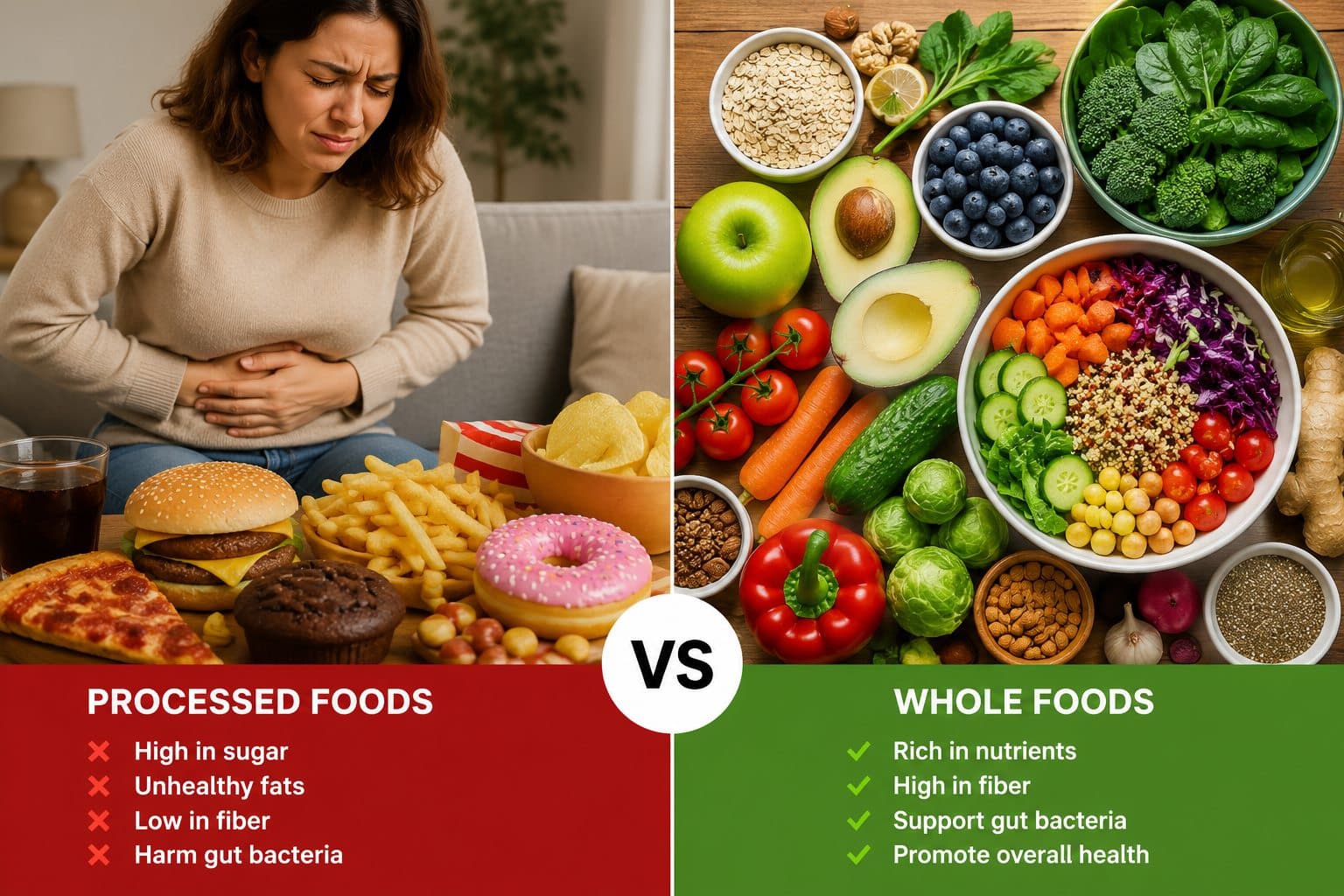
The Most Overlooked Signs of Poor Gut Health
Listen closely to your body. People often mistake these symptoms for aging, stress, or bad genetics. If you consistently experience two or more of the following, it may be time to evaluate your digestive wellness.
1. Chronic Digestive Discomfort
Occasional gas after eating a heavy meal is normal, but chronic bloating, constipation, diarrhea, and heartburn are not. These are the most direct indicators that your stomach is struggling to process food and eliminate waste effectively. A healthy digestive system should operate quietly and comfortably.
2. Unexplained Weight Fluctuations
Gaining or losing weight without making intentional changes to your diet or exercise routine can be a red flag. An imbalanced microbiome can impair your body’s ability to absorb nutrients, regulate blood sugar, and store fat. Emerging research suggests certain bacterial strains extract more calories from food than others, potentially contributing to unexpected weight changes.
3. Constant Fatigue and Sleep Disturbances
Did you know that a large portion of your body’s serotonin—a hormone that affects mood and sleep—is produced in the gut? Gut damage may impair your ability to produce this hormone optimally, potentially leading to poor sleep quality and chronic daytime fatigue. If you are sleeping seven to eight hours but still waking up exhausted, your digestion might be a contributing factor.
4. Skin Irritations and Flare-Ups
The gut-skin axis is a well-documented connection. Systemic inflammation caused by a poor diet or food sensitivities can cause certain proteins to leak into the body, irritating the skin. Conditions like eczema, rosacea, and stubborn hormonal acne are frequently explored for their links to internal dysbiosis. To support your skin externally while healing internally, check out our expert tips for building the best skincare routine.

5. Frequent Colds and Weak Immunity
Roughly 70% of your immune system is housed in your gut. An unhealthy microbiome can alter the proper functioning of your immune responses, potentially leading to increased susceptibility to common colds and seasonal illnesses.
6. Intense Sugar Cravings
Some theories suggest that a diet heavily reliant on processed foods and refined sugars may actively feed opportunistic bacteria and yeast strains, such as Candida. It is believed these microbes might influence cravings via the gut-brain axis, causing you to desire more sugar to feed them. While more human studies are needed, many find that cutting sugar reduces these intense cravings over time.
7. Hair Thinning and Scalp Issues
Emerging evidence suggests healthy hair follicles require a steady, uninterrupted supply of vitamins, minerals, and proteins. If your digestive tract is severely inflamed, impaired nutrient absorption may contribute to shedding, dullness, or scalp irritation. For targeted topical advice on combating shedding, explore our dedicated hair fall guide.
Summary Table: Symptoms & Natural Fixes
Here is a quick reference guide to help you connect your hidden symptoms to potential digestive imbalances, along with natural, actionable steps to support your healing.
| Hidden Sign | Potential Gut Connection | Natural Fix to Try |
|---|---|---|
| Chronic Bloating | Poor breakdown of food; excess fermentation by bacteria. | Chew food 20-30 times per bite; try a daily prebiotic fiber source. |
| Skin Breakouts | Systemic inflammation traveling through the gut-skin axis. | Increase omega-3 intake (salmon, walnuts) to soothe inflammation. |
| Daytime Fatigue | Impaired serotonin production; poor nutrient absorption. | Focus on sleep hygiene; reduce late-night ultra-processed snacks. |
| Sugar Cravings | Opportunistic yeast/bacteria potentially driving dietary urges. | Swap refined sugar for whole fruits (like berries) rich in polyphenols. |
How to Fix the Signs of Poor Gut Health Naturally
If you recognize several signs of poor gut health in your daily life, do not panic. The microbiome is highly adaptable, and with consistent, targeted lifestyle changes, you can encourage the growth of beneficial bacteria.
1. Eat a Diverse Range of Plants
Diversity on your plate equals diversity in your microbiome. Aim to eat a wide variety of colorful vegetables, legumes, beans, and fruits every week. These plant foods are rich in prebiotic fiber, which serves as the primary food source for your good bacteria.
2. Incorporate Fermented Foods Daily
Fermented foods provide a natural, potent dose of live probiotics. Start adding small portions of unpasteurized kimchi, sauerkraut, traditional kefir, or plain live-culture yogurt to your daily meals. For a complete dietary roadmap, read our latest guide on anti-inflammatory foods.
3. Manage Your Stress Levels
Psychological stress physically alters your digestive tract. According to Harvard Health, the gut-brain connection means that high cortisol levels can decrease blood flow to the digestive organs and increase intestinal permeability. Incorporate daily walks, deep breathing, or meditation to keep your nervous system calm.
4. Consider Strategic Supplementation
While whole foods should always come first, a high-quality, third-party tested probiotic supplement can offer support while your system heals. Additionally, amino acids like L-glutamine are frequently explored by functional medicine practitioners for their potential to support and maintain the structural integrity of the intestinal lining.

When to See a Doctor (Red Flag Symptoms)
While many common digestive complaints can be significantly improved through diet and lifestyle modifications, some symptoms indicate a more serious underlying medical condition that requires professional evaluation.
According to the American College of Gastroenterology (ACG), you should schedule an appointment with a healthcare provider or gastroenterologist if you experience any of the following “red flag” symptoms:
- Unexplained, rapid weight loss.
- Blood in your stool or dark, tarry stools.
- Severe, persistent abdominal pain that does not resolve.
- Difficulty swallowing or chronic, severe acid reflux.
- A sudden and lasting change in your bowel habits.
Frequently Asked Questions (FAQs)
How long does it take to repair an imbalanced microbiome?
While you may notice a reduction in bloating and gas within a few days of changing your diet, deeply restoring the microbiome and soothing the intestinal lining generally takes three to six months of consistent effort.
Are food intolerance tests accurate for identifying gut issues?
Many commercial at-home food sensitivity tests (like IgG tests) are highly debated in the medical community and can sometimes flag foods you tolerate perfectly fine. A supervised elimination diet is often considered a more accurate method to identify personal triggers.
Can antibiotics cause permanent damage?
Antibiotics are life-saving but they wipe out both good and bad bacteria. While the damage is rarely permanent, it can take months for the microbiome to recover. It is highly recommended to focus on probiotic and prebiotic foods following a course of antibiotics.
Why do I feel bloated even when I eat healthy foods?
If you suddenly increase your fiber intake, your digestive system might struggle to process it initially. Additionally, some healthy foods are high in FODMAPs (specific types of carbohydrates) that can cause fermentation and gas in sensitive individuals.
Final Thoughts on Healing Your Digestion
Recognizing the signs of poor gut health is the critical first step toward feeling vibrant, energized, and comfortable in your own skin. Your body is incredibly resilient, and by making gentle, sustainable shifts in your diet and lifestyle, you can cultivate a thriving internal ecosystem.
Start small: add one fermented food to your plate today, drink an extra glass of water, and take five deep breaths before your next meal. Over time, these small habits compound into profound systemic healing.
Which of these hidden signs surprised you the most? Let me know in the comments below, and share your own digestive wellness journey with us!
📚 References
- National Institutes of Health (NIH): The gut microbiome in health and disease.
- Mayo Clinic: Dietary fiber: Essential for a healthy diet.
- Harvard Health Publishing: The gut-brain connection and its impact on digestion.
- American College of Gastroenterology (ACG): Patient guidelines and gastrointestinal health.
This article is intended for educational and informational purposes only and should not replace professional medical advice, diagnosis, or treatment. Always consult a qualified healthcare provider or gastroenterologist before making drastic dietary changes, starting a new supplement regimen, or if you are managing an underlying medical condition, taking prescription medication, pregnant, or breastfeeding.