
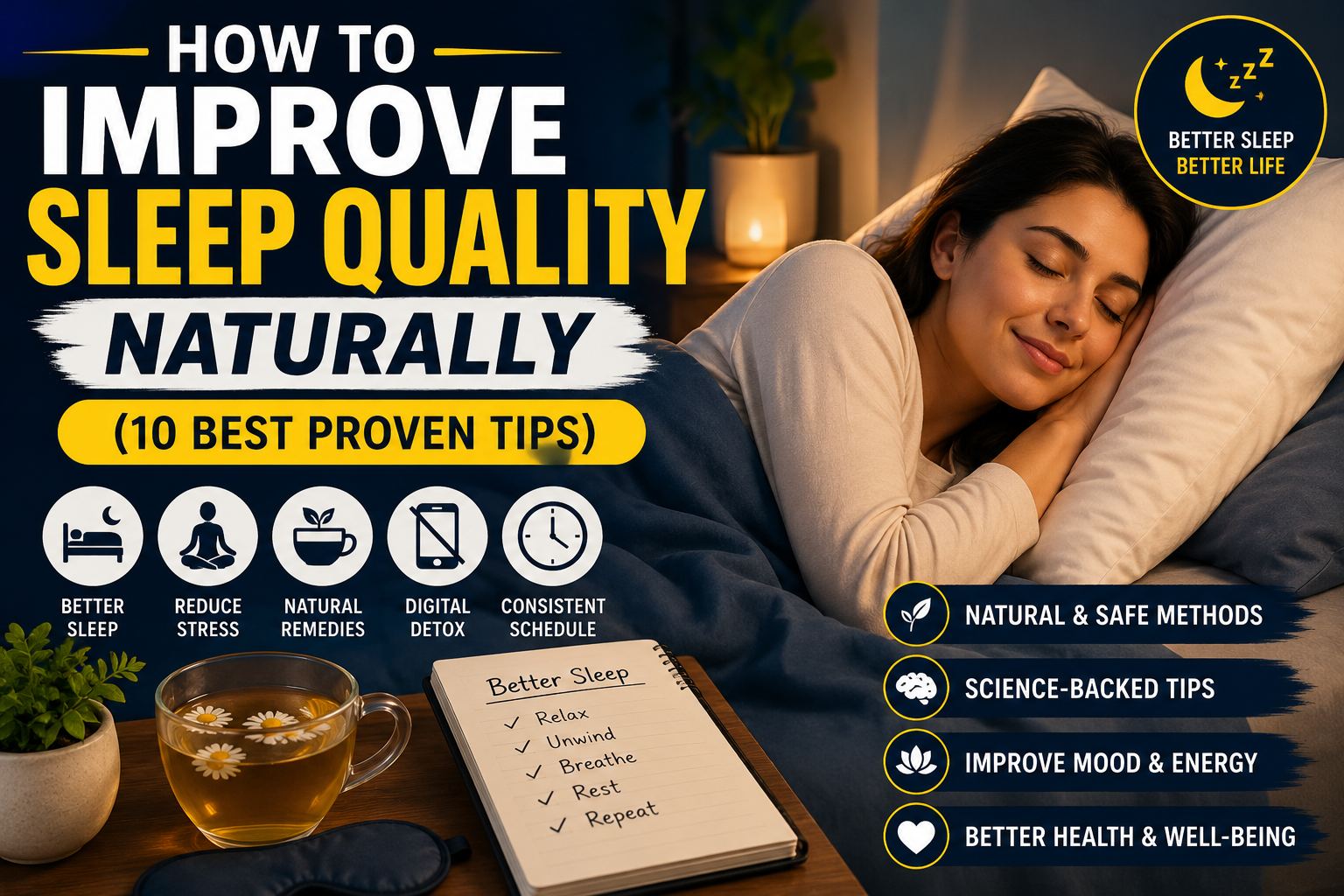
How to Improve Sleep Quality Naturally (10 Best Proven Tips)
Do you spend hours tossing and turning at night, only to wake up feeling just as exhausted as when you went to bed? You are far from alone. According to the Centers for Disease Control and Prevention (CDC), approximately one-third of adults report getting less than the recommended amount of sleep, making chronic sleep deprivation a modern health crisis.
If you are tired of waking up with brain fog and want to know how to improve sleep quality naturally without relying on heavy, habit-forming sleep medications, the solution often lies in your daily routine. At its core, achieving deep rest comes down to mastering sleep hygiene—which refers to the combination of healthy daily habits and environmental practices that help you fall asleep more easily, stay asleep longer, and improve your overall sleep quality.
In this comprehensive, science-backed guide, we will break down the exact habits, dietary changes, and natural remedies that sleep experts recommend to help you restore your body’s natural circadian rhythm.
⚡ Quick Answer: The Best Way to Get Better Rest
To improve sleep quality naturally, you should stick to a consistent sleep schedule (even on weekends), reduce blue light exposure 90 minutes before bed, keep your bedroom cool (60–67°F) and completely dark, limit late-day caffeine intake, and establish a relaxing pre-sleep wind-down routine.
The Science of Sleep: Understanding Your Sleep Cycles
Many people obsess over the total hours they spend in bed, but experts agree that adults generally need 7 to 9 hours of high-quality sleep per night. Sleeping for 8 hours means very little if your sleep is constantly fragmented and you aren’t reaching the deep, restorative stages of your sleep cycle.
— Dr. Matthew Walker, Professor of Neuroscience and Psychology
To truly understand how to heal your sleep, you need to understand what happens when you close your eyes. Throughout the night, your brain cycles through four distinct stages multiple times:
- Stage 1 (N1 – Light Sleep): This is the transition phase between wakefulness and sleep. It lasts only a few minutes, and you can be easily awakened.
- Stage 2 (N2 – Light Sleep): Your heart rate slows down, your core body temperature drops, and your brain begins to produce sleep spindles (bursts of brain activity that protect sleep). You spend about 50% of your night in this stage.
- Stage 3 (N3 – Deep / Slow-Wave Sleep): This is the most crucial stage for physical recovery. During deep sleep, your body repairs tissues, builds bone and muscle, and strengthens the immune system. It is very difficult to wake someone up from this stage.
- Stage 4 (REM Sleep): Rapid Eye Movement (REM) sleep is vital for mental and cognitive health. This is when dreaming occurs, and your brain processes emotions and consolidates memories from the day.
Interestingly, there is a strong two-way street between your rest and your digestion; poor sleep can negatively affect your microbiome, which is why taking steps to improve gut health naturally can actually help you cycle through these stages more efficiently.
How to Improve Sleep Quality Naturally: 10 Actionable Tips
Healing your sleep cycle is a holistic process. By implementing these ten proven habits, you can train your brain and body to recognize exactly when it is time to truly rest.
1. Optimize Your Sleep Environment (The Cave Method)
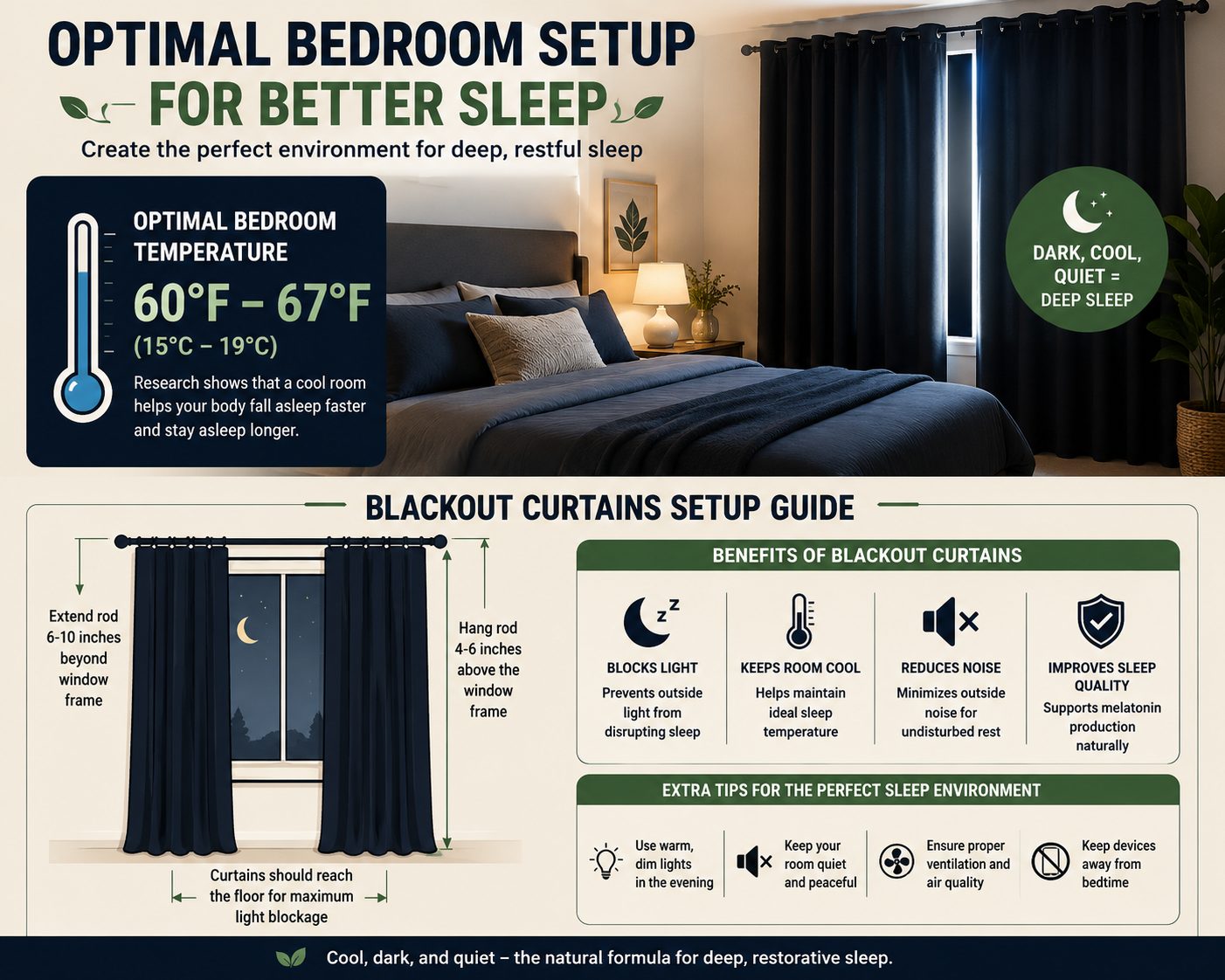
Your bedroom should be a sanctuary designed exclusively for sleep. According to the National Sleep Foundation, the optimal bedroom temperature is surprisingly cool—around 60–67°F (15–19°C). A cooler core body temperature acts as a biological signal to your brain that it is time to sleep.
2. Stick to a Consistent Sleep Schedule
Your body has an internal clock known as the circadian rhythm. Going to bed and waking up at the exact same time every day—yes, even on weekends—anchors this clock. A strict schedule regulates your body’s natural production and release of melatonin, making it progressively easier to fall asleep at your desired bedtime.
3. Limit Blue Light Exposure Before Bed
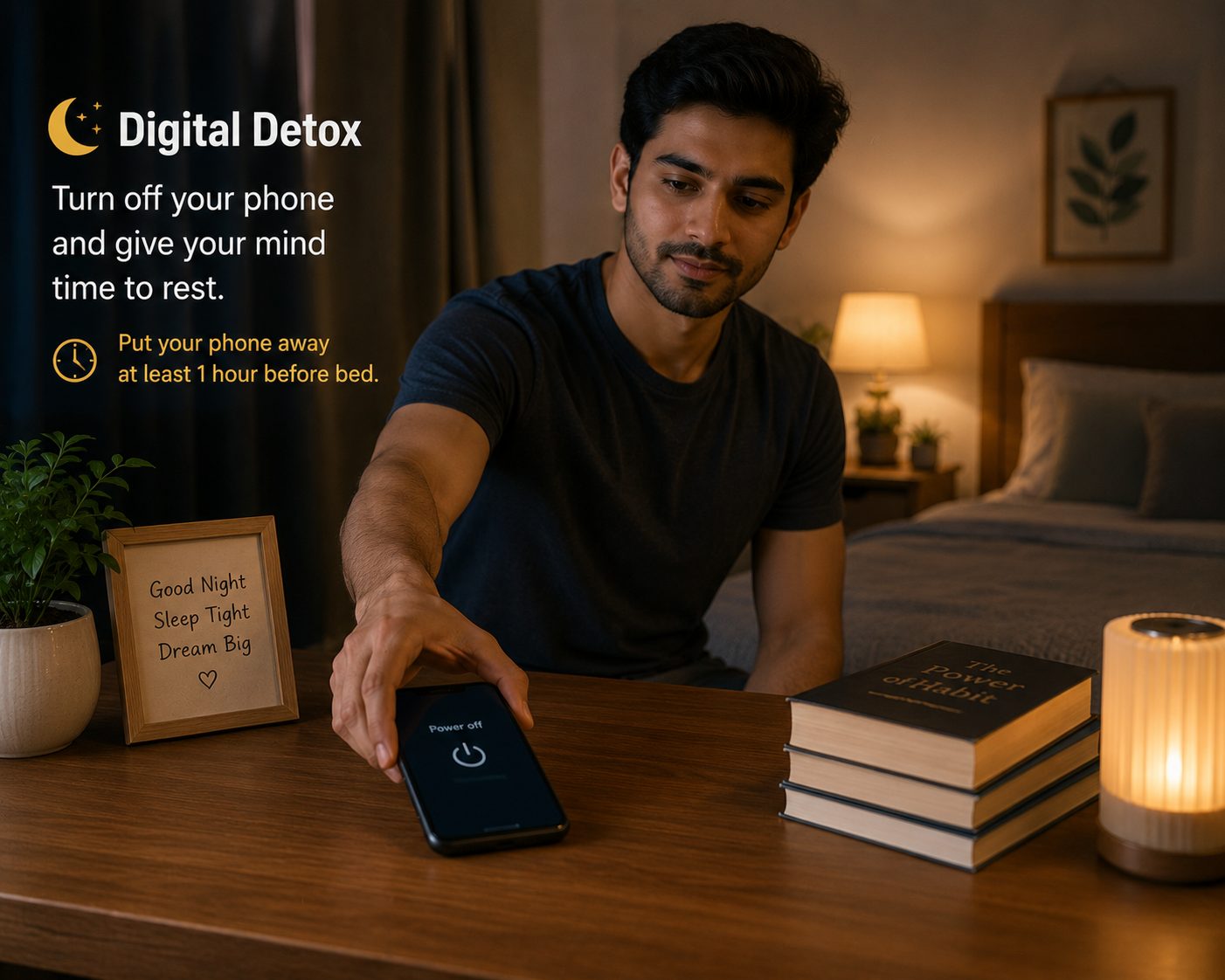
Electronic devices emit blue light, which is one of the biggest disruptors of modern sleep. Scientifically, blue wavelengths suppress melatonin production through specialized retinal cells (intrinsically photosensitive retinal ganglion cells) that directly signal the brain’s circadian clock that it is daytime. Make a strict rule to turn off all screens at least 90 minutes before bed.
4. Watch Your Caffeine and Alcohol Intake
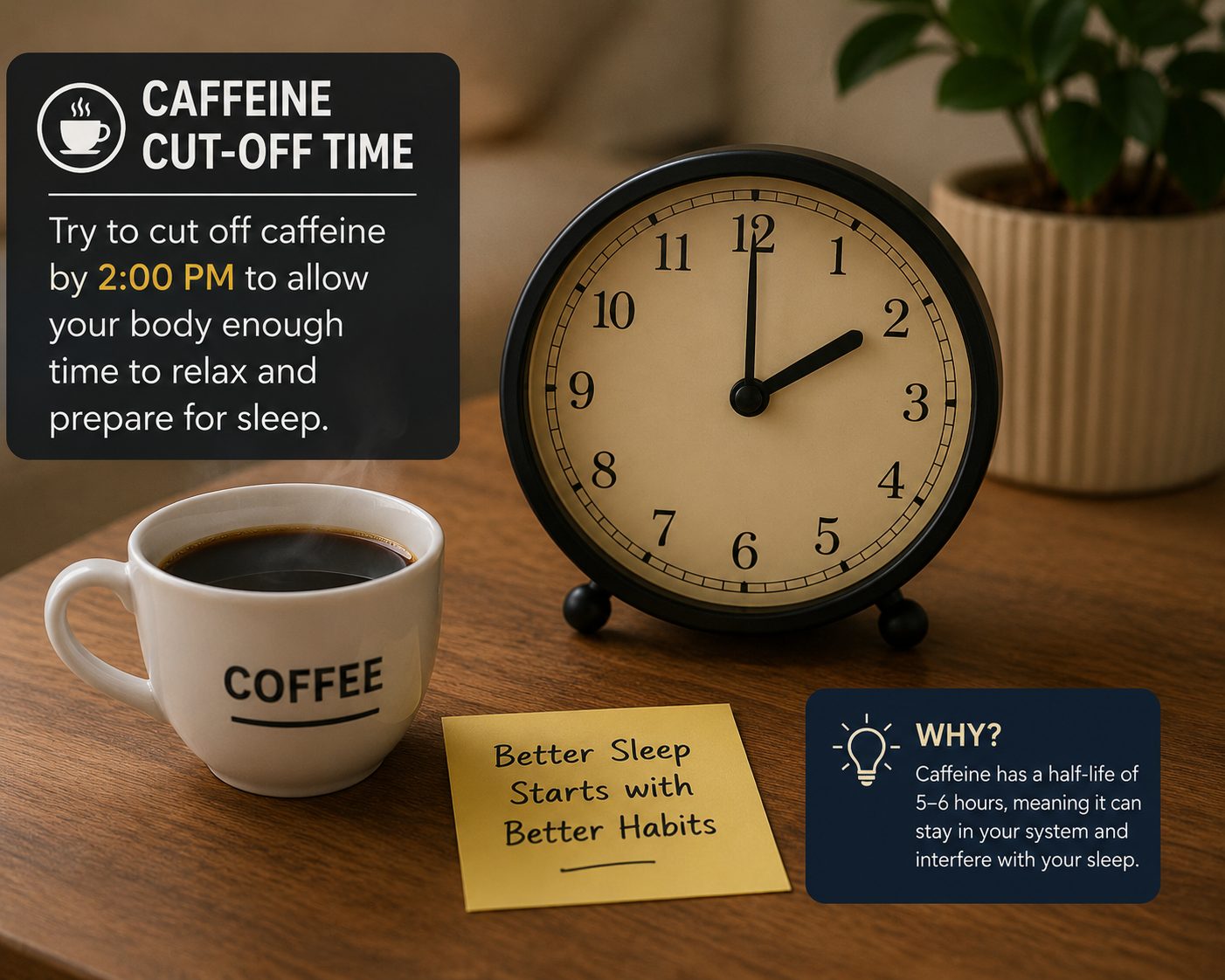
Caffeine works by blocking adenosine receptors in the brain—adenosine is the chemical that builds up during the day to make you feel sleepy. Because caffeine has a half-life of roughly 5 to 6 hours, a 4:00 PM coffee could still keep you wide awake at 10:00 PM. Limit caffeine after lunch. Furthermore, while alcohol might help you fall asleep initially, it severely fragments your REM sleep, leaving you groggy the next day.
5. Incorporate Gentle Movement During the Day
Regular physical activity ensures deeper sleep. However, timing is everything. Avoid high-intensity, heart-pumping workouts within three hours of your bedtime, as the adrenaline and cortisol spikes will keep you awake. Instead, opt for light yoga or stretching in the evening to release physical tension.

6. Create a Relaxing Wind-Down Routine
Your brain needs a clear transition period between the stress of the workday and sleep. Doing the same relaxing activities nightly chemically conditions your brain for rest. This could involve reading a physical book, practicing an anti-inflammatory skincare routine, or taking a warm bath.
7. Manage Stress and Anxiety
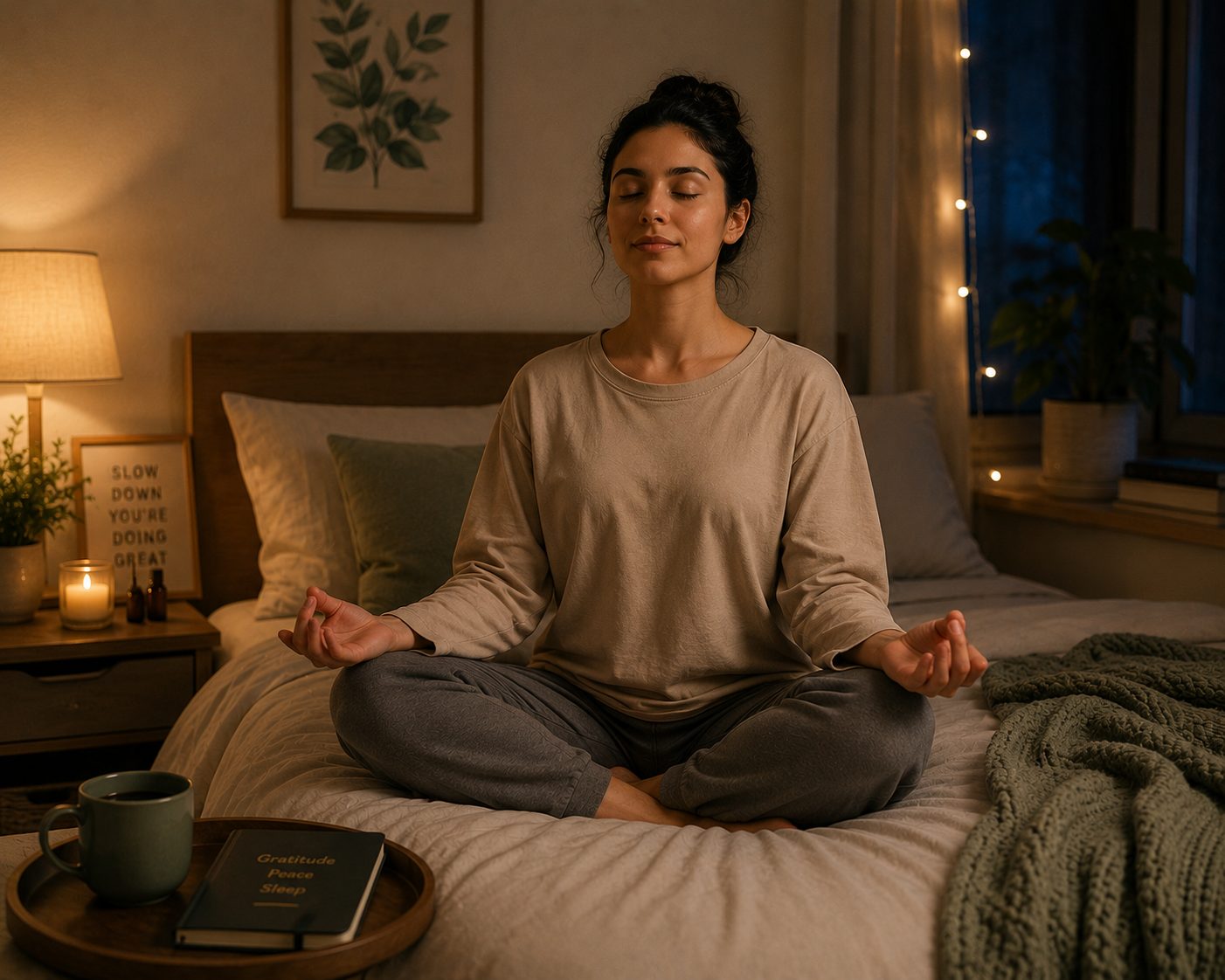
A racing, anxious mind is the ultimate enemy of sleep. High stress levels elevate cortisol, which directly opposes melatonin. To lower your cortisol naturally, focus on targeted stress management techniques like progressive muscle relaxation, journaling your worries on paper, or 10 minutes of mindfulness meditation.
8. Be Smart About Daytime Napping
While short power naps (15-20 minutes) can be highly beneficial for cognitive alertness, napping for longer than 30 minutes can push you into deep sleep during the day. This leaves you feeling groggy upon waking and significantly reduces your sleep drive at night.
9. Optimize Your Diet: The Best Foods for Deep Sleep
Going to bed too full or too hungry can cause physical discomfort that keeps you awake. Try to eat your last heavy meal at least two to three hours before bed. If you need a late-night snack, choose functional foods that actively support your sleep cycle:
- Tart Cherry Juice: One of the only natural food sources of high-quality melatonin.
- Kiwi: Rich in serotonin and folate, studies show eating two kiwis before bed can help you fall asleep faster.
- Walnuts & Almonds: Packed with healthy fats and sleep-supporting magnesium.
- Fatty Fish: Salmon and mackerel provide a healthy dose of Vitamin D and Omega-3s, which help regulate serotonin.
10. Consider Natural Sleep Supports (With Care)
If you have optimized your habits and still need a gentle push, certain natural remedies can help relax your nervous system. Chamomile tea acts as a mild, natural tranquilizer. Furthermore, taking a high-quality supplement to unlock magnesium benefits (specifically Magnesium Glycinate) can deeply relax your muscles. Similarly, checking out an ashwagandha guide can help you utilize ancient adaptogens to lower evening anxiety.

Debunking 3 Common Sleep Myths
When trying to figure out how to improve sleep quality naturally, you will likely encounter a lot of misinformation. Let’s clear up the science behind three major sleep myths:
Myth 1: “I can catch up on my sleep debt over the weekend.”
The Reality: While sleeping in on Saturday feels great, you cannot fully repay chronic “sleep debt” in just two days. A massively inconsistent schedule actually causes “social jet lag,” confusing your circadian rhythm and making Monday mornings feel even worse. Consistency is much more effective than binge-sleeping.
Myth 2: “Watching TV helps me fall asleep.”
The Reality: You might feel like the background noise is soothing, but the blue light emitted from the television actively suppresses melatonin. Furthermore, engaging storylines or dramatic news programs stimulate your brain, preventing you from reaching the restorative Deep Sleep stage.
Myth 3: “If I can’t sleep, I should just stay in bed with my eyes closed.”
The Reality: Sleep experts recommend the “20-Minute Rule.” If you have been in bed for 20 minutes and cannot fall asleep, get out of bed. Go to a dimly lit room and do a quiet, non-stimulating activity (like reading a physical book) until you feel tired. Lying awake in bed trains your brain to associate your bed with stress and wakefulness.
Special Considerations: How Shift Workers Can Improve Sleep
If you work night shifts, achieving natural, high-quality sleep is exceptionally challenging because you are actively fighting your biology. However, you can trick your circadian rhythm with a few strict adjustments:
- Wear Sunglasses on the Commute Home: Blocking out morning sunlight prevents your brain from halting melatonin production before you get to bed.
- Invest in 100% Blackout Curtains: Your bedroom must simulate midnight. Even a small sliver of sunlight can disrupt your rest.
- Strict Meal Timings: Keep your meals aligned with your waking hours to prevent digestive disruptions when you are trying to sleep during the day.
Summary Table: Sleep Disruptors vs. Natural Fixes
| Common Sleep Disruptor | Scientific Impact on Your Body | The Natural Fix |
|---|---|---|
| Late-Night Scrolling | Blue light suppresses melatonin via retinal cells. | Read a physical book or listen to calming audio. |
| Afternoon Coffee | Blocks adenosine receptors, preventing sleepiness. | Switch to herbal, caffeine-free teas after 2 PM. |
| A Warm Bedroom | Prevents the necessary core body temperature drop. | Lower thermostat to 60–67°F and use breathable sheets. |
| Inconsistent Schedule | Confuses the brain’s circadian clock. | Wake up at the exact same time every single day. |
🔑 Key Takeaways for Deep Rest
- Consistency is King: Maintain a strict wake-up time 7 days a week to anchor your circadian rhythm.
- Block Blue Light: Dim the lights and stop using all digital screens 90 minutes before bed.
- Cool Your Environment: A cold room (around 65°F) drastically improves deep sleep duration.
- Watch the Clock on Caffeine: Implement a strict 2:00 PM caffeine cut-off to clear adenosine receptors.
- Breathe Away Stress: Dedicate 10 minutes to deep breathing or journaling to lower evening cortisol levels.
Frequently Asked Questions (FAQs)
Is melatonin a safe, long-term solution for sleep?
While melatonin supplements are generally considered safe for short-term use to reset your circadian rhythm (such as recovering from jet lag or shifting schedules), many medical professionals advise against using it as a permanent, nightly crutch. It is much better for your hormonal health to encourage your body to produce its own melatonin naturally through good sleep hygiene.
Does exercising at night ruin your sleep?
For most people, vigorous, high-intensity exercise right before bed raises the core body temperature and spikes endorphin and cortisol levels, making it harder to fall asleep. If you must exercise at night, try gentle activities like restorative yoga or light stretching.
Can reading on an iPad or Kindle keep me awake?
Yes, if the device emits blue light. If you prefer e-readers over physical books, ensure you are using a device with an e-ink display (like a basic Kindle paperwhite without the backlight blasted) or actively use “Night Mode” / blue-light-blocking settings on your tablet.
How long does it take for these natural methods to work?
Consistency is the absolute key. While a cooler room or a cup of chamomile tea might help you sleep slightly better tonight, resetting a severely disrupted circadian rhythm can take one to three weeks of strict adherence to a daily schedule.
Final Thoughts on Getting Better Rest
Learning exactly how to improve sleep quality naturally is one of the most powerful, transformative investments you can make in your long-term health. Excellent sleep is not a luxury; it acts as a nightly reset button for your brain, your immune system, your gut, and your emotional well-being.
You do not need to overwhelm yourself by implementing all 10 of these tips tonight. Start small: pick a consistent wake-up time, lower the temperature in your bedroom by a few degrees, and commit to putting your phone in another room an hour before bed. Over time, these small acts of self-care will compound, rewarding you with deep, uninterrupted rest and vibrant daytime energy.
Which of these natural sleep habits are you going to try first tonight? Let me know your thoughts in the comments below, and explore our wellness blog for more holistic health guides!
📚 References
- Centers for Disease Control and Prevention (CDC): Sleep Data and Statistics.
- National Sleep Foundation: Sleep Hygiene Guidelines.
- Mayo Clinic: 6 steps to better sleep.
- National Institutes of Health (NIH): Sleep Deprivation and Deficiency.
This article is intended for educational and informational purposes only and should not replace professional medical advice, diagnosis, or treatment. Always consult a qualified healthcare provider or sleep specialist before starting any new supplement regimen, or if you suspect you are suffering from a chronic sleep disorder such as Sleep Apnea or chronic insomnia.