

Best Probiotics for Gut Health and Bloating: 2026 Guide
Waking up with a flat stomach only to feel like an overinflated balloon by mid-afternoon is incredibly frustrating. If you are constantly loosening your belt or hiding under oversized clothes, you know exactly how heavy and uncomfortable chronic bloating can feel.
Fortunately, restoring your digestive balance does not require a radical lifestyle overhaul. In this beginner-friendly blueprint, we will explore the best probiotics for gut health and bloating to help you reclaim your daily comfort.
Finding the best probiotics for gut health and bloating can completely transform your daily digestive wellness and eliminate that heavy, sluggish feeling that compromises your lifestyle quality.
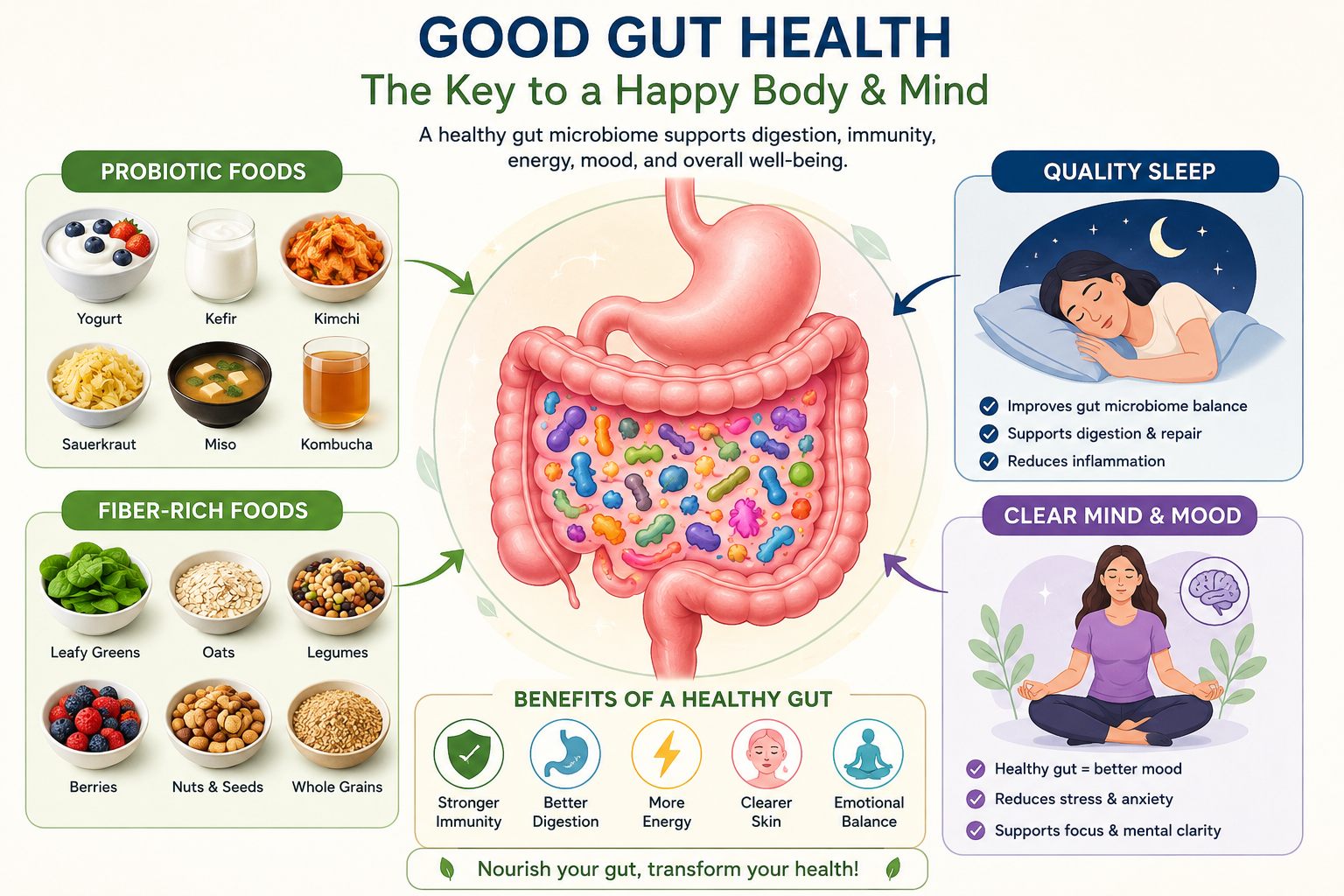
The Hidden Mechanics of Your Daily Bloat
Bloating is rarely just about eating too quickly or indulging in a heavy meal. More often, it is a direct warning sign from your gut microbiome that things have slipped out of balance. This state of imbalance is known as dysbiosis, where gas-producing, harmful microbes outnumber the helpful, soothing bacteria.
When your beneficial bacteria are depleted, food sits in your digestive tract longer than it should. Opportunistic microbes ferment these lingering food particles, producing an excess of hydrogen and methane gases. According to comprehensive medical findings published on Healthline’s Probiotics and Bloating Guide, addressing clinical dysbiosis with structured microbial supplementation remains one of the primary pathways to restore systemic balance.
Understanding this connection is the first step toward lasting relief. By repopulating your gut with the best probiotics for gut health and bloating, you can systematically crowd out the gas-producing culprits and speed up slow digestion.
Many people searching for the best probiotics for gut health and bloating do not realize that chronic gas production is primarily an ecosystem issue rather than a food tolerance problem.
Choosing the Best Probiotics for Gut Health and Bloating
When looking for the best probiotics for gut health and bloating, it is essential to look past the generic brand names and focus directly on the specific strains listed on the back of the box. Probiotic benefits are entirely strain-specific, meaning a strain that clears up skin issues might do absolutely nothing for your abdominal gas.
For target bloating and gas reduction, two primary families—or genera—of bacteria do the heavy lifting: Lactobacillus and Bifidobacterium. Let us break down the specific, clinically backed strains you should look for when selecting the best probiotics for gut health and bloating.
Lactobacillus rhamnosus GG (LGG)
This is one of the most thoroughly researched probiotic strains in medical science. LGG is incredibly resilient, passing safely through your harsh stomach acid to adhere to your intestinal walls. This resilient strain is frequently included in the best probiotics for gut health and bloating due to its incredible survival rate in harsh environments.
Bifidobacterium infantis 35624
If your bloating is accompanied by regular cramping or unpredictable bowel movements, this strain is a golden standard. It works closely with your immune system to calm low-grade inflammation along the intestinal lining. If you want the best probiotics for gut health and bloating that specifically target abdominal cramping, this unique microbe is highly recommended by experts.
In fact, peer-reviewed clinical trials indexed on the National Institutes of Health (PMC) Database prove that target combinations of specific bacterial strains significantly outperform a placebo for alleviating functional bloating and abdominal distress symptoms.
Bifidobacterium animalis ssp. lactis BB-12
Slow transit time is a major, hidden cause of chronic gas production. The BB-12 strain is highly effective at boosting gut motility, ensuring that waste moves efficiently through your system. By keeping things moving, it prevents food from fermenting too long and creating pocketed gas.
The Golden Rule of Labels: Never buy a supplement that only lists a “proprietary blend” without identifying the exact strains. The best probiotics for gut health and bloating will always print the genus, species, and distinct alphanumeric strain designation (like HN019 or Bi-07) directly on the packaging.
Key Criteria for Beginners Selecting a Probiotic
Before spending your hard-earned money, you need to know how to separate high-quality formulations from clever marketing tricks. The supplement market is loosely regulated, meaning the consumer must look closely at the fine print.
When shopping for the best probiotics for gut health and bloating, here are the four foundational pillars to consider before purchasing your first bottle:
- CFU Count (Colony-Forming Units): For beginners dealing with mild to moderate bloating, a daily dose of 10 billion to 25 billion CFUs is typically the sweet spot. Extremely high counts (like 100 billion) are not automatically better and can sometimes trigger temporary gas as your system adjusts.
- Targeted Delivery Systems: Delicate live bacteria are highly sensitive to stomach acid. Look for brands that utilize delayed-release capsules or enteric coatings to guarantee the microbes survive the journey to your lower intestines.
- Third-Party Potency Testing: Choose companies that display independent lab certifications from bodies like USP, NSF, or the Clean Label Project. This ensures that the live count printed on the label is actually what remains alive inside the capsule by the expiration date.
- Synergistic Formulas: Many modern supplements are engineered as synbiotics, meaning they combine live probiotics with prebiotic fibers or postbiotics. These additions act as an immediate food source, helping the friendly bacteria thrive the moment they settle in your gut.

Deep Dive: The Top Probiotic Supplements Evaluated
To save you the guesswork in identifying the absolute best probiotics for gut health and bloating, we have analyzed three of the most trusted and transparent probiotic formulations available on the market. These selections focus on strain clarity, survival rates, and explicit benefits for abdominal bloating.
1. Ritual Synbiotic+
Ritual delivers a highly sophisticated, three-in-one approach by packing prebiotics, probiotics, and postbiotics into a single, mint-infused capsule. It is entirely vegan, traceable, and engineered with a delayed-release design that dissolves late in the digestive tract. This comprehensive clinical design makes it a top-tier contender among the best probiotics for gut health and bloating currently available on the market.
Texture & Scent: Smooth, clear capsule with a refreshing, natural mint tab inside the bottle.
Third-party tested for purity, completely shelf-stable, and incredibly gentle on empty stomachs.
Premium price point compared to standard drugstore options.
Best For: Individuals looking for a complete, daily gut health maintenance routine in a single pill.
Who Should Avoid It: Those looking for a budget-friendly, minimalist option without added prebiotics.
2. Culturelle Digestive Daily Probiotic
Culturelle is a household name for a good reason. It relies heavily on a single, massive dose of clinically proven Lactobacillus rhamnosus GG to restore balance quickly and effectively. Because of its targeted efficiency and accessible price point, it is widely recognized as one of the best probiotics for gut health and bloating for everyday beginners.
Texture & Scent: Standard, easy-to-swallow vegetarian capsule with a completely neutral taste.
Highly affordable, extensively backed by clinical research, and widely available globally.
Contains inulin, which can occasionally cause mild, temporary gas in highly sensitive individuals.
Best For: Beginners looking for a straightforward, medically trusted, and budget-friendly starting point.
Who Should Avoid It: Anyone with a known sensitivity to chicory root or inulin fibers.
3. Mindbodygreen Advanced Probiotic+
Mindbodygreen features a premium, targeted blend specifically engineered to tackle stubborn bloating, ease occasional belly discomfort, and support healthy bowel regularity. This high-potency therapeutic option consistently ranks among the best probiotics for gut health and bloating for individuals dealing with deep-seated, chronic digestive irregularities.
Texture & Scent: Small, easy-to-take capsule, entirely shelf-stable.
Contains four uniquely researched strains designed explicitly for abdominal gas and digestive transit comfort.
High initial financial investment compared to retail alternatives.
Best For: Individuals struggling with chronic, daily bloating who have not found relief with lower-CFU options.
Who Should Avoid It: Complete beginners who prefer to test an entry-level, single-strain product first.
Side-by-Side Product Comparison
| Product Name | Primary Strain Focus | CFU Count | Est. Price | Key Advantage |
|---|---|---|---|---|
| Ritual Synbiotic+ | LGG & BB-12 | 11 Billion | ~$1.80 / day | Includes postbiotics for lining support |
| Culturelle Daily | Pure LGG | 10 Billion | ~$0.60 / day | Highly cost-effective and accessible |
| Mindbodygreen | NCFM & HN019 | 22 Billion | ~$2.67 / day | Maximized multi-strain bloating defense |
How to Properly Introduce Probiotics into Your Routine
Even the best probiotics for gut health and bloating require a bit of patience and structural timing. To give your new friendly microbes the absolute best chance of survival, follow this simple, beginner-friendly deployment plan.
Establish Consistent Timing (Days 1–3)
Take your probiotic at the exact same time every single day. Most experts recommend taking it first thing in the morning on an empty stomach, roughly 30 minutes before your breakfast, or right as you settle into bed.
Start with a Moderate Dose (Week 1)
Begin with a single capsule containing roughly 10 to 15 billion CFUs. Do not panic if you experience slight gurgling or a tiny increase in gas during the first few days; this is a completely normal sign that the bacteria are resetting your environment.
Hydrate with Room Temperature Liquids (Daily)
Always swallow your capsules with cool or room-temperature liquids. Avoid hot coffee, boiling teas, or acidic fruit juices within 15 minutes of your dose, as extreme heat can accidentally kill off the delicate live cultures before they are swallowed.
Evaluate Your Progress (Week 4)
Commit to a single product for a full 28 to 30 days before deciding if it works for you. Microbiome shifts take time, and consistency is the ultimate driver for achieving a flat, comfortable abdomen.
Embracing a Holistic Wellness Approach
While high-quality supplements are highly effective, they work best when supported by a balanced lifestyle. Your gut health is deeply interconnected with how you treat your entire body. For instance, systemic inflammation can easily disrupt your inner balance. Investing in the best probiotics for gut health and bloating is just one component of a larger, integrated wellness journey.
Many of our readers tracking their holistic wellness journey often browse our comprehensive deep dives over on our dedicated Naturaviibe Skin Category to see how a healed gut directly clears up common skin irritations. Similarly, chronic stress alters your gut motility instantly, which can spark sudden bloating regardless of how many capsules you take.
Prioritizing targeted stress management, daily movement, and nutrient-rich foods will amplify the power of your daily supplements. If you love tracking the intersection of internal nutrition and vibrant external beauty, you can explore our curated guides in the Naturaviibe Hair Category to learn how calming internal inflammation supports cellular health from head to toe. For more general healthy lifestyle advice, feel free to dive into our full archive on the Naturaviibe Blog.

Frequently Asked Questions
Reclaiming Your Comfort and Digestion
Banishing chronic bloating is not about chasing quick-fix trends or magical cures. It is about understanding the delicate ecosystems running inside your body and consistently feeding them the precise microbial strains they need to thrive. By selecting a transparent, clinically backed product, you can ensure you are loading up on the best probiotics for gut health and bloating available today.
Ultimately, choosing the best probiotics for gut health and bloating is the single most effective step you can take toward a lighter, happier, and completely comfortable version of yourself.
What has your journey with gut health been like so far? Have you tried any specific probiotic strains that completely changed your digestion? Let us know your thoughts and questions in the comments below!