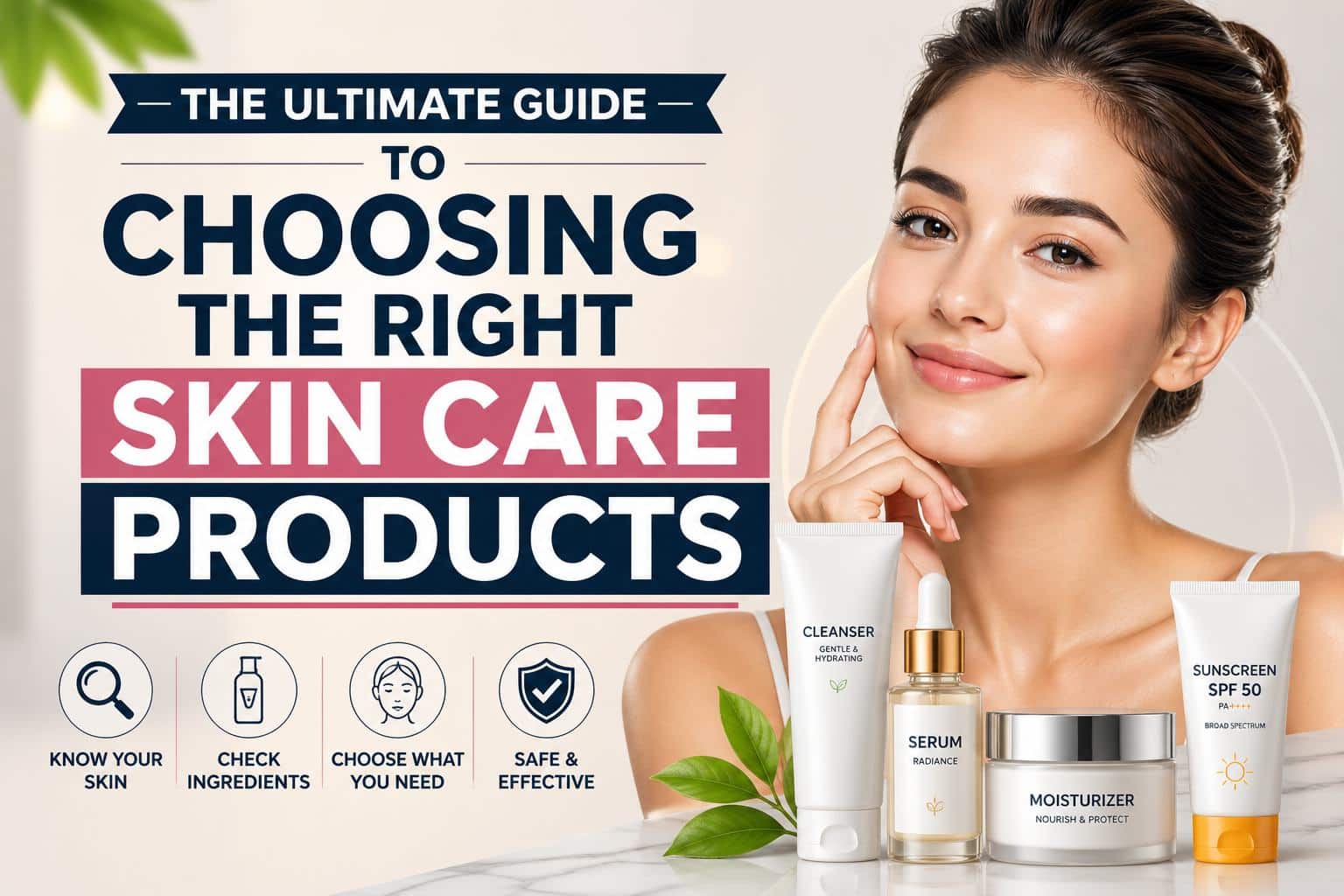
The Ultimate Guide to Choosing the Right Skin Care Products
Walking down a beauty aisle can feel like stepping into a laboratory. Rows of sleek bottles promise miracles — firmer skin, fewer lines, a glow that turns heads. Yet most of us have stood there, confused, wondering which formula actually delivers and which will end up gathering dust in the bathroom cabinet. The secret to cutting through the clutter isn’t about spending more money or following the latest online obsession. It’s about learning to read your own skin, understanding a handful of ingredients, and building a routine that fits your life — not a celebrity’s ten‑step ritual.
This guide walks you through every stage of that journey. No jargon, no unrealistic promises. Just practical, grounded advice gathered from dermatologists, cosmetic chemists, and years of collective trial and error. Grab a cup of tea, settle in, and let’s get to know your skin on a deeper level.
1. Start Where It Matters Most: Your Real Skin Type
Every effective product choice begins with an honest assessment of your skin. Not the skin you wish you had, but the one staring back at you in the mirror each morning. Dermatologists often group facial skin into broad categories, though individual experiences can vary widely. The four core types — dry, oily, combination, and sensitive — each have distinct needs, and feeding them the wrong ingredients can trigger breakouts, flaking, or persistent redness.
A quick at‑home test: wash your face with a mild, sulfate‑free cleanser, pat dry, and wait about twenty minutes without applying any product. If your cheeks feel tight or rough while your T‑zone looks shiny, you’re likely dealing with combination skin — the most common category by far. If everything feels parched, you’re on the dry side; if oil has already surfaced across your entire face, you’re oily. Sensitive skin may present alongside any of these, showing reactivity to new products or environmental changes.
Once you’ve identified your baseline, you can confidently explore our skin‑focused collection, where we break down routines and product suggestions for each type.
2. Decoding the Ingredient List: What Really Deserves a Spot on Your Shelf
Behind every elegant bottle is a list of ingredients that tells the real story. The golden rule: ingredients are arranged from highest concentration to lowest. The first five to seven items typically form the bulk of the formula, while anything appearing after the preservative system (often phenoxyethanol or similar) is present in tiny amounts. If a star ingredient like vitamin C or retinol is buried near the bottom, its impact may be minimal — regardless of what the front label claims.
Learning to spot “INCI” names (the International Nomenclature of Cosmetic Ingredients) takes a little practice, but it’s a skill that pays off every time you shop. Here’s a cheat sheet of heavy‑hitters backed by research:
🌟 Niacinamide (Vitamin B3)
This multitasker strengthens the skin barrier, helps regulate oil production, and can visibly fade uneven pigmentation over time. Studies show that concentrations between 2% and 5% can improve texture and reduce redness, making it a friend to both acne‑prone and sensitive skin. It plays well with almost every other active, which makes it a reliable daily workhorse.
💧 Hyaluronic Acid
Despite the word “acid,” this is a humectant that draws moisture into the skin — up to a thousand times its weight in water. It’s naturally found in our bodies and is generally well‑tolerated by all skin types. For best results, apply it to slightly damp skin and seal it in with a moisturizer, otherwise it can pull moisture out of the skin in very dry environments.
🕰️ Retinol (Vitamin A)
A cornerstone of evidence‑based anti‑aging care, retinol accelerates cell turnover and stimulates collagen production. It can smooth fine lines, refine texture, and help keep pores clear. Because it can cause initial dryness or flaking, dermatologists suggest starting with a low concentration twice a week and gradually building tolerance. Always use it at night and pair it with a broad‑spectrum sunscreen the next morning.
🍊 Vitamin C (L‑Ascorbic Acid)
A potent antioxidant that defends against environmental damage while brightening the complexion. It’s most effective in the morning, layered underneath sunscreen. Look for formulations in dark, airtight packaging, as vitamin C degrades when exposed to light and air.
🧪 AHAs & BHAs
Alpha‑hydroxy acids (like glycolic and lactic acid) gently exfoliate the skin’s surface, improving radiance and smoothness. Beta‑hydroxy acid (salicylic acid) goes deeper into the pores, making it ideal for oily and acne‑prone skin. Over‑exfoliation is a common pitfall — twice a week is usually plenty.
For further reading, the American Academy of Dermatology offers clear, science‑based guidance on ingredients suitable for different ages and skin concerns.
3. The Patch Test: Seven Minutes That Can Save Your Complexion
Even a product formulated for sensitive skin can trigger a reaction, because everyone’s chemistry is slightly different. A proper patch test takes a few days but can prevent weeks of discomfort. Dermatologists recommend applying a small amount of the new product to a discreet area — the inner forearm or behind the ear — twice a day for about seven to ten days. Monitor for redness, itching, or bumps. If nothing appears, the product is likely safe to introduce to your face.
Some active ingredients (retinol, glycolic acid, benzoyl peroxide) may cause mild tingling or flaking initially, which is different from a true allergic reaction. However, if your skin burns, swells, or breaks out in hives, wash the product off immediately and note the ingredient list for future reference.
4. Morning & Evening: The Rhythm of Healthy Skin
A consistent routine doesn’t need to be elaborate. Most dermatologists agree that three steps form the backbone of any effective regimen: cleanse, moisturize, and protect with SPF during the day. Everything else — serums, toners, masks — is an optional layer added to address specific concerns.
☀️ Morning Routine
- Gentle cleanser – Removes overnight oil and sweat without stripping the barrier. Cream‑based formulas suit dry skin; gel or foam cleansers work well for oily types.
- Antioxidant serum – Vitamin C is the classic choice, shielding skin from pollution and UV‑induced free radicals.
- Moisturizer – Even oily skin needs hydration. Gel‑based or lightweight lotions prevent the overproduction of sebum.
- Broad‑spectrum SPF 30+ – This is non‑negotiable. Sun damage is responsible for a significant portion of visible aging, and consistent use dramatically reduces the risk of skin cancer.
🌙 Evening Routine
- Double cleanse (if needed) – An oil‑based cleanser or micellar water first to dissolve makeup and sunscreen, followed by your regular cleanser.
- Treatment step – This is where retinol, exfoliating acids, or prescription topicals come into play. Apply to dry skin and wait a few minutes before the next layer.
- Moisturizer or night cream – Evening products can be richer, helping the skin repair while you sleep.
For a deeper look at morning and night sequencing, the dermatologists at Nebraska Medicine and Forefront Dermatology have shared their own personal routines — helpful real‑world examples that illustrate how professionals think about layering.
5. Custom Routines for Every Skin Type
While the basic framework stays the same, the product textures and key ingredients shift depending on your skin’s behavior.
🪷 For Oily & Acne‑Prone Skin
Look for “oil‑free” and “non‑comedogenic” on the label. Salicylic acid (a BHA) helps clear clogged pores and reduce excess sebum, while niacinamide can dial down shine over time. Gel‑based moisturizers containing hyaluronic acid or glycerin deliver hydration without heaviness. A mattifying, mineral‑based sunscreen often feels more comfortable on oily skin than chemical formulas.
🧴 For Dry & Dehydrated Skin
Creamy, non‑foaming cleansers are your best starting point. Look for barrier‑reinforcing ingredients like ceramides, squalane, and fatty acids. Layer a hydrating serum (hyaluronic acid or glycerin) under a richer moisturizer to lock in water. Avoid prolonged hot showers, which can strip natural oils and worsen dryness.
☯️ For Combination Skin
Combination skin benefits from a balanced approach: gentle gel cleansers, lightweight moisturizers, and targeted treatments applied only where needed. You might use a salicylic‑acid toner solely across the T‑zone while applying a richer cream to the cheeks. Multi‑masking — using a clay mask on oily areas and a hydrating mask on dry zones — is another effective strategy.
🌸 For Sensitive & Reactive Skin
Fragrance is among the most common triggers for contact dermatitis, so “fragrance‑free” should top your checklist. (Products labeled “unscented” can still contain masking fragrances, so read carefully.) Soothing ingredients like colloidal oatmeal, aloe vera, and ceramides help calm irritation. Introduce only one new product at a time, and keep your routine as simple as possible — often just a cleanser, moisturizer, and mineral sunscreen. The Mayo Clinic and leading dermatologists emphasize that shorter ingredient lists reduce the chance of a reaction.
6. Sun Protection: The Daily Habit That Changes Everything
If you take away only one piece of advice from this guide, let it be this: sunscreen is the single most effective anti‑aging product you will ever own. Ultraviolet radiation not only increases the risk of skin cancer but also accelerates collagen breakdown, leading to wrinkles, sagging, and dark spots. The American Academy of Dermatology recommends a broad‑spectrum sunscreen with an SPF of at least 30 every single day — rain or shine, indoors or out.
Mineral (physical) sunscreens containing zinc oxide or titanium dioxide sit on the skin’s surface and reflect UV rays, making them a top pick for sensitive and reactive skin. Chemical sunscreens absorb UV radiation and convert it to heat; they tend to be lighter and easier to layer under makeup. Both are effective when used correctly. The “best” sunscreen is the one you’ll actually wear consistently.
For a curated list of dermatologist‑recommended sunscreens for various skin types, the NBC News Select team and Vogue have published thorough, expert‑vetted roundups.
7. Natural, Organic & the Certification Maze
The word “natural” on a label carries no legal weight in most countries — it’s a marketing term, not a guarantee. If buying organic or naturally derived products matters to you, look for third‑party certifications that verify ingredient sourcing and processing standards. Recognized seals include COSMOS Natural / COSMOS Organic, NATRUE, and USDA Organic. These certifications require that products meet specific criteria, such as minimum percentages of organic content (USDA Organic demands at least 95% organic ingredients for the “Organic” label) and avoidance of synthetic fragrances, silicones, and certain preservatives.
Certified products align well with a gentle, barrier‑friendly approach, but certification alone doesn’t guarantee effectiveness. A product can be USDA‑certified organic and still not deliver the skin results you’re hoping for. Use certifications as one filter among many, not your only decision‑making tool.
You can research the safety profiles of thousands of personal care products through the EWG Skin Deep® database, which aggregates hazard ratings based on available toxicology data. It’s a useful starting point when evaluating unfamiliar brands.
8. Beyond the Bottle: Lifestyle Habits That Elevate Your Routine
Products alone can’t undo the effects of chronic stress, poor sleep, or a nutrient‑poor diet. Your skin is a living organ, and it reflects what’s happening inside. Aim for consistent, quality sleep — this is when cellular repair peaks. Stay hydrated throughout the day, but don’t expect water alone to “plump” your skin; it’s the combination of internal hydration and topical humectants that makes a visible difference.
Manage stress through whatever works for you — a morning walk, journaling, breathing exercises — because elevated cortisol levels can trigger oil production and inflammation. And if something persists despite your best efforts (stubborn acne, unexplained rashes, sudden changes in moles), please see a board‑certified dermatologist. There’s no substitute for a professional examination.
9. Your Skin, Your Story
Choosing the right skin care products isn’t about chasing perfection. It’s about learning to listen — to the tightness after cleansing, to the midday shine, to the way your cheeks feel after a winter walk. When you understand what your skin is telling you, the overwhelming aisles become a place of possibility rather than confusion.
Start simple. A gentle cleanser. A moisturizer that feels comforting. A sunscreen you don’t dread applying. Master the basics, then slowly introduce targeted treatments — one at a time, with patience and curiosity. Your skin will reward consistency far more than it will ever reward a impulsive shopping spree.
🌱 Ready to build your personalized routine?
Browse our complete skin‑care collection for guides, product deep‑dives, and dermatologist‑informed tips crafted for real life.
✨ Small, consistent steps lead to the most radiant transformations.