Common Daily Habits That Are Silently Damaging Your Liver

Your liver works tirelessly behind the scenes, filtering toxins, processing nutrients, producing bile, and regulating metabolism. It’s one of the most resilient organs, capable of regenerating itself even after significant damage. Yet, many everyday habits slowly chip away at its health without causing immediate symptoms—until it’s too late.
Non-alcoholic fatty liver disease (now often called metabolic dysfunction-associated steatotic liver disease) is on the rise, affecting millions worldwide, largely due to modern lifestyles. The scary part? Liver damage often progresses silently, with few warning signs in the early stages.
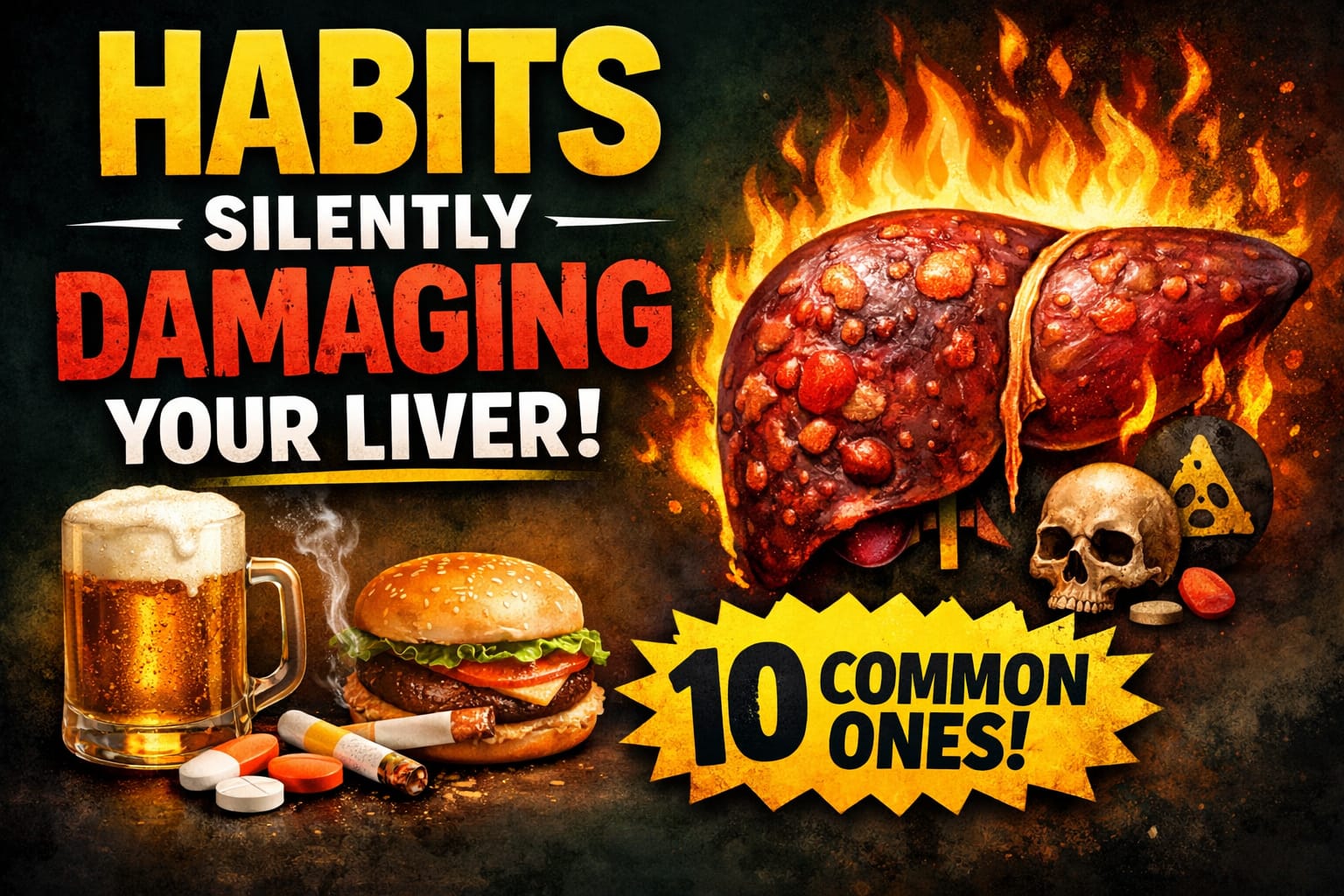
In this in-depth guide, we’ll uncover 10 common daily habits that could be harming your liver, explain the science behind the damage, and share practical ways to protect this vital organ. Awareness is the first step toward better health.
The Liver: Your Body’s Unsung Hero
Weighing about 3 pounds, the liver performs over 500 functions daily. It detoxifies blood, stores energy as glycogen, produces proteins for blood clotting, and metabolizes fats, carbohydrates, and proteins. Unlike other organs, it can repair itself, but chronic stress from poor habits leads to inflammation, fat buildup, scarring (fibrosis), and eventually cirrhosis or liver failure.

Fatty liver disease occurs when excess fat accumulates in liver cells. Left unchecked, it progresses to inflammation (steatohepatitis), scarring, and irreversible damage. The good news? Many lifestyle changes can halt or even reverse early damage.
1. Consuming Too Much Alcohol
While moderate drinking may not harm everyone, regular or heavy alcohol intake is the leading cause of liver disease worldwide. Alcohol is metabolized into toxic acetaldehyde, which damages liver cells and causes inflammation.
Over time, this leads to alcoholic fatty liver, hepatitis, and cirrhosis. Even “social” drinking adds up—women are more susceptible due to lower body water content and enzyme levels.
- Limit intake: No more than one drink per day for women, two for men.
- Have alcohol-free days weekly.
- Seek help if cutting back feels difficult.
2. Overindulging in Sugary Foods and Drinks
Excess fructose—from sodas, candies, and processed snacks—is particularly harmful. The liver converts fructose into fat, leading to fatty buildup even in non-overweight individuals.

High-fructose corn syrup in many packaged foods contributes to insulin resistance and non-alcoholic fatty liver disease. Studies show sugar can be as damaging as alcohol to the liver.
Tips: Choose whole fruits over juice, read labels, and limit added sugars to under 25-35 grams daily.
3. Relying Heavily on Over-the-Counter Painkillers
Acetaminophen (paracetamol) is safe in recommended doses but dangerous in excess. It overwhelms the liver’s detoxification pathways, causing severe damage—even acute failure.
Combining it with alcohol multiplies risks. Other painkillers like ibuprofen can also stress the liver when overused.
- Follow dosage instructions strictly.
- Avoid mixing with alcohol.
- Consult a doctor for chronic pain alternatives.
4. Leading a Sedentary Lifestyle
Sitting for hours daily contributes to obesity, insulin resistance, and fatty liver. Physical inactivity reduces fat metabolism, allowing buildup in liver cells.

Regular exercise helps burn triglycerides, improves insulin sensitivity, and reduces liver fat. Aim for at least 150 minutes of moderate activity weekly.
5. Eating Too Many Processed and Fried Foods
Trans fats, refined carbs, and excessive salt in fast food and packaged snacks promote inflammation and fat accumulation. Fried foods high in unhealthy oils burden the liver’s fat-processing capacity.
A diet rich in whole foods—vegetables, fruits, lean proteins, and healthy fats—supports liver health.
6. Overusing Herbal Supplements and Vitamins
Not all “natural” products are safe. Excess vitamin A, green tea extract, kava, and certain weight-loss supplements have caused liver injury. Unregulated products may contain contaminants.
Always consult a healthcare provider before starting supplements, especially if you have liver concerns.
7. Smoking Cigarettes
Toxins in cigarette smoke reach the liver via bloodstream, causing oxidative stress and worsening existing damage. Smokers with liver conditions progress faster to severe disease.
Quitting improves liver health dramatically.
8. Chronic Dehydration
Insufficient water impairs toxin removal and blood flow to the liver. Dehydration thickens bile, increasing gallstone risk and stressing the organ.

Aim for 8-10 glasses of water daily, more if active.
9. Exposure to Environmental Toxins
Cleaning products, pesticides, aerosols, and paints contain chemicals the liver must detoxify. Prolonged exposure overwhelms its capacity.
- Use natural cleaners.
- Wear protection when handling chemicals.
- Wash produce thoroughly.
10. Poor Sleep and Chronic Stress
Lack of sleep disrupts metabolism, promoting fat storage. Chronic stress raises cortisol, contributing to insulin resistance and liver fat.
Prioritize 7-9 hours of quality sleep and stress management techniques like meditation or yoga.
How to Protect and Support Your Liver
The liver responds remarkably well to positive changes:
- Eat a balanced diet rich in greens, berries, nuts, fatty fish, and olive oil.
- Exercise regularly—mix cardio and strength training.
- Maintain a healthy weight; even 5-10% loss helps significantly.
- Limit alcohol and avoid binge drinking.
- Get vaccinated against hepatitis A and B.
- Schedule regular check-ups and liver function tests if at risk.
Coffee (in moderation) and green tea may offer protective benefits due to antioxidants.
Conclusion: Small Changes, Big Impact
Your daily habits shape your liver’s future. By recognizing and modifying these common silent threats, you can safeguard this essential organ and boost overall well-being. Start with one or two changes today—your liver will thank you.
Listen to your body, make mindful choices, and consult healthcare professionals for personalized advice. A healthier liver means a healthier you.
Word count: approximately 2500