

Ultimate Guide to Sleep Optimization: Science-Backed Strategies for Deep, Restorative Rest
In our fast-paced world, quality sleep often takes a backseat—but it shouldn’t. As we navigate 2026 with ever-increasing demands on our time and attention, optimizing sleep has become essential for health, productivity, and overall well-being. Poor sleep affects everything from mood and immunity to cognitive performance and long-term disease risk.
This comprehensive guide dives deep into sleep optimization, drawing from established sleep science and practical tips that anyone can implement. Whether you’re struggling with insomnia, waking up groggy, or simply wanting to maximize your rest, these strategies will help you transform your nights. Let’s create the conditions for truly restorative sleep.



Why Prioritizing Sleep Optimization Matters
Adults need 7-9 hours of quality sleep per night. Yet, millions fall short, leading to consequences that compound over time.
Sleep serves as the body’s repair mode: consolidating memories, regulating hormones, clearing brain toxins, and supporting immune function. Chronic sleep deprivation links to higher risks of obesity, diabetes, heart disease, and mental health issues like anxiety and depression.
Optimizing sleep enhances daily energy, sharper focus, better decision-making, improved athletic performance, and greater emotional resilience. In 2026, with wearable tech and sleep research advancing rapidly, there’s never been a better time to take control of your rest.
Understanding Your Body’s Natural Sleep Architecture
To optimize sleep, first understand how it works. Sleep occurs in cycles of about 90 minutes, progressing through stages:
- Stage 1: Light sleep, transitioning from wakefulness.
- Stage 2: Deeper light sleep, where heart rate slows.
- Stage 3: Deep (slow-wave) sleep—crucial for physical restoration.
- REM Sleep: Dream stage, vital for memory and mood.
A full night includes 4-6 cycles, with more deep sleep early and more REM later.


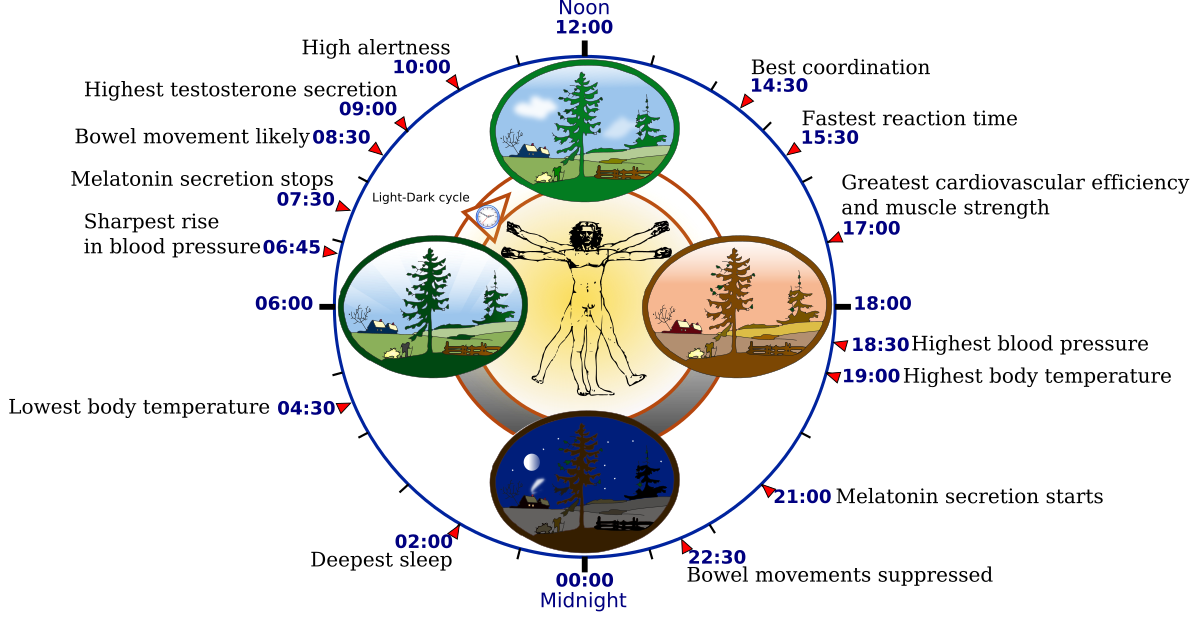
Your circadian rhythm—the internal 24-hour clock—regulates sleep-wake patterns, influenced by light exposure, meal timing, and activity. Aligning habits with this rhythm is a cornerstone of optimization.
Creating the Ideal Sleep Environment
Your bedroom should be a sleep sanctuary. Focus on these key elements:
- Temperature: Keep it cool, around 60-67°F (15-19°C). A drop in core body temperature signals sleep time.
- Darkness: Use blackout curtains or an eye mask. Even small light disrupts melatonin production.
- Quiet: Employ earplugs, white noise machines, or fans to block disruptive sounds.
- Comfort: Invest in a supportive mattress, breathable bedding, and pillows that align your spine.
- Clutter-Free: A tidy, minimalist space reduces mental stimulation.
Remove electronics— no TVs or work materials in bed.

Building a Consistent Bedtime Routine
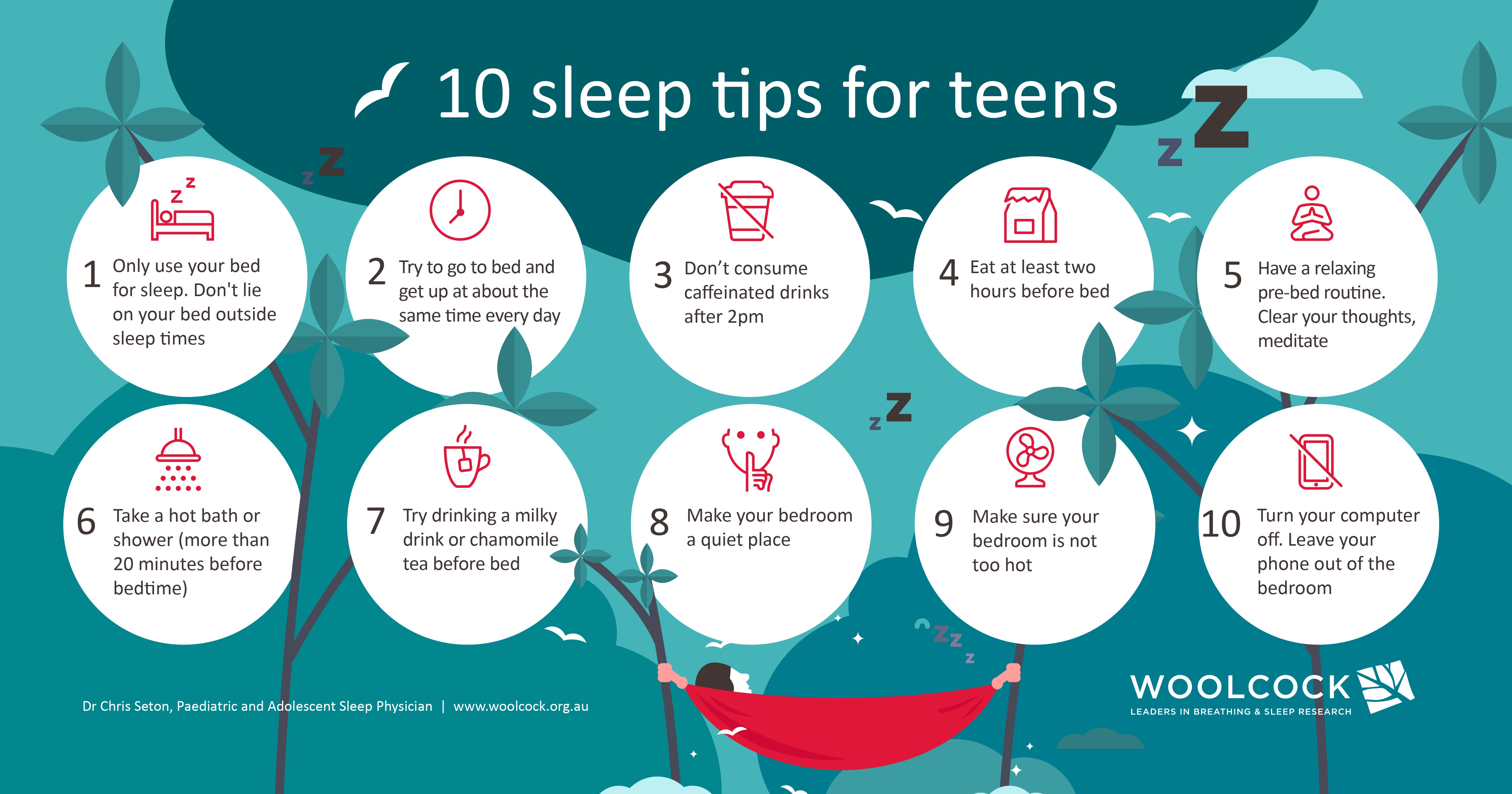
Consistency is key. Aim for the same bedtime and wake time daily, even on weekends.
A wind-down routine signals your body it’s time to sleep:
- Dim lights 1-2 hours before bed.
- Engage in relaxing activities: reading, gentle stretching, or journaling.
- Try relaxation techniques like deep breathing, progressive muscle relaxation, or meditation.
- Take a warm bath or shower— the temperature drop afterward promotes drowsiness.
Avoid stimulating activities like intense discussions or planning tomorrow’s tasks.

Diet and Exercise: Fueling Better Sleep
Exercise for Sleep
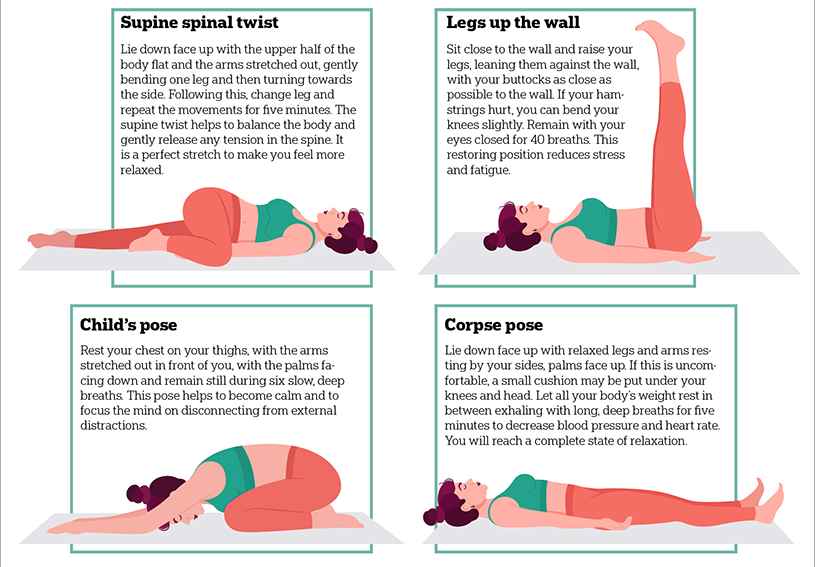
Regular physical activity improves sleep quality and duration. Aim for 30 minutes most days—morning or afternoon is ideal. Evening workouts are fine if not too intense close to bedtime. Activities like yoga or walking are particularly beneficial.

Foods That Promote Sleep
Certain foods contain nutrients that support melatonin and serotonin production:
- Tart cherries (natural melatonin source)
- Almonds (magnesium for relaxation)
- Bananas (potassium and vitamin B6)
- Herbal teas like chamomile or valerian
- Kiwi fruit (shown in studies to improve sleep onset)
Avoid heavy meals, caffeine after noon, and alcohol close to bedtime—though it may help you fall asleep initially, it fragments later sleep stages.


Avoiding Modern Sleep Disruptors
Blue light from screens suppresses melatonin more than other wavelengths. Stop screen use 1-2 hours before bed, or use blue-light blocking glasses and night mode settings.

Other disruptors include irregular schedules, stress, and excessive napping. Manage stress through daytime practices like mindfulness.
Sleep Hygiene Essentials at a Glance
Core sleep hygiene practices include:
- Consistent schedule
- Cool, dark, quiet bedroom
- No screens before bed
- Daily exercise
- Mindful eating/drinking
- Relaxation routine


Advanced Optimization: Tracking and Fine-Tuning
In 2026, sleep trackers provide valuable insights into your patterns. Wearables monitor stages, duration, and disturbances, helping identify improvements.


Experiment with techniques like timed light exposure, temperature therapy, or cognitive behavioral strategies for insomnia (CBT-I).
Sweet Dreams Ahead
Optimizing sleep is a journey, but small consistent changes yield profound results. Start with one or two adjustments—perhaps creating a better bedroom environment or establishing a wind-down routine—and build from there.
Your body and mind will thank you with renewed energy, clarity, and resilience. Here’s to deeper, more restorative nights and brighter days ahead.




Cute motivational reminders for sweet dreams and peaceful nights.
Sweet dreams—rest well and wake refreshed!


Good