
The Alarming Flu Surge of 2025-2026: What’s Happening Across the US and Especially in New York
As we kick off 2026, the United States is grappling with one of the most intense flu seasons in recent memory. Hospitals are filling up, schools are reporting absences, and health officials are urging everyone to take precautions. If you’re in New York, the situation feels even more urgent—the state has shattered records for flu cases and hospitalizations in recent weeks.
This isn’t just another typical winter bug. Data from the Centers for Disease Control and Prevention (CDC) and state health departments paint a picture of rapid spread, driven by a mix of factors including lower vaccination rates and possibly emerging strains. In this in-depth blog post, we’ll break down what’s happening nationally, zoom in on New York, explore why this surge is hitting so hard, discuss symptoms, prevention tips, and what you can do right now to protect yourself and your loved ones.


The National Picture: A Rapidly Worsening Flu Season
The 2025-2026 flu season started picking up steam around Thanksgiving and has exploded since then. According to the CDC’s latest reports as of early January 2026, seasonal influenza activity is elevated nationwide and continuing to climb. By the end of December 2025, the agency estimated at least 7.5 million illnesses, 81,000 hospitalizations, and 3,100 deaths from flu.
That’s a staggering number for just a few months into the season.
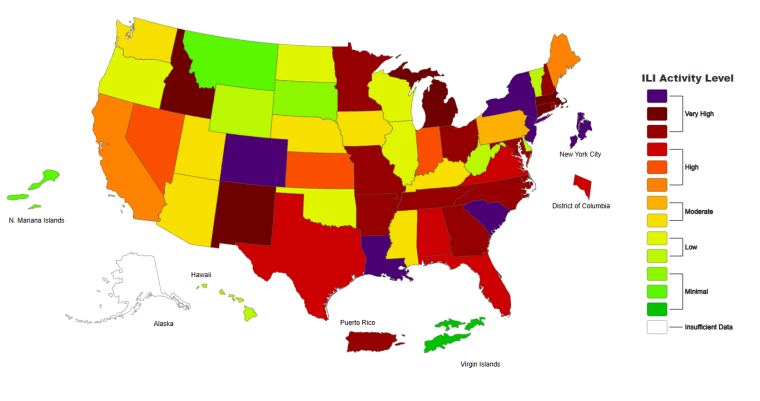
Hospitalizations have been doubling in some weeks, and pediatric deaths are tragically mounting—eight reported so far this season. Many states are seeing “very high” or “high” activity levels, with hot spots in the South, Northeast, and parts of the Midwest.


Experts are concerned because the surge is happening faster than in recent years. Some media reports have dubbed it a “super flu” due to mentions of a new, more severe variant circulating. Influenza A strains are dominant, and low vaccination uptake isn’t helping—only about 130 million doses distributed so far, down significantly from last year.
Holiday gatherings and travel likely fueled the spread, and with winter in full swing, we’re probably not at the peak yet. Flu seasons often crest in January or February.
New York: Ground Zero for Record-Breaking Cases
If the national numbers are alarming, New York’s are downright historic. The state has seen an unprecedented spike, with record-shattering weekly flu cases and hospitalizations.
In the week ending December 20, 2025, New York reported over 72,000 positive flu cases—the highest single-week total since tracking began. Hospitalizations topped 4,500 in recent weeks, another all-time high, with nearly half in New York City alone.
State health officials have been vocal about the strain on hospitals, especially in urban areas.
Why is New York hit so hard? Dense population, heavy public transit use, and cold weather driving people indoors all contribute to rapid transmission. Plus, international travel through hubs like JFK brings in strains from around the world. The state’s data shows cases slightly dipping after the holiday peak but still at dangerously high levels as we enter 2026.

Why Is This Flu Season So Severe?
Several factors are converging to make 2025-2026 particularly bad:
- Lower Vaccination Rates: Fewer people getting the flu shot means less community protection. Vaccine distribution is lagging, possibly due to fatigue from recent years or misinformation.
- Dominant Strains: Influenza A (including H3N2 and H1N1 variants) is leading, and some reports suggest a new or drifted strain that’s evading immunity better.
- Post-Pandemic Behavior: Mask-wearing and social distancing dropped off, allowing respiratory viruses to rebound strongly.
- Co-Circulation with Other Viruses: RSV and COVID are also elevated in places, leading to “tripledemic” concerns that overwhelm healthcare.
- Weather and Timing: Cold snaps and holiday mixing created perfect conditions.
The result? Overburdened ERs, canceled elective procedures in some hospitals, and warnings from doctors that we’re “nowhere near the peak.”
Recognizing Flu Symptoms: Don’t Ignore These Signs
Flu hits suddenly and harder than a common cold. Common symptoms include:
- High fever (often 100-104°F)
- Chills and body aches
- Severe fatigue
- Dry cough
- Sore throat
- Headache
- Runny or stuffy nose
- Sometimes nausea, vomiting, or diarrhea (more in kids)


If you have these, especially high fever or shortness of breath, see a doctor. Antivirals like Tamiflu work best if started early. High-risk groups—elderly, young children, pregnant people, those with chronic conditions—should be especially vigilant.
Prevention: Your Best Defense Against the Flu
The good news? You can still take steps to protect yourself, even mid-season.
Get Vaccinated – It’s Not Too Late!
The flu shot is the #1 way to prevent severe illness. It’s safe, effective at reducing hospitalization risk, and still recommended now.


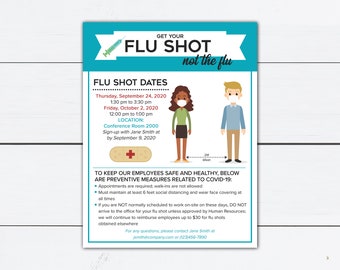
Cute and motivating stickers and posters to remind everyone: Get your flu shot!
Everyday Habits That Make a Big Difference
- Wash hands frequently with soap for at least 20 seconds.
- Avoid touching your face.
- Cover coughs and sneezes.
- Stay home if sick.
- Disinfect surfaces.
- Wear a mask in crowded indoor spaces if you’re high-risk.


The Bigger Impact: Strain on Healthcare and Communities
This surge isn’t just numbers—it’s real strain. Hospitals in New York and elsewhere are at capacity, with staff exhausted. Schools face disruptions, workplaces see absences, and vulnerable populations suffer most.
We’ve seen pediatric deaths rise, a heartbreaking reminder of flu’s danger to kids. Economically, lost productivity from illness adds up quickly.
Looking Ahead: Hope and Vigilance
While this season is tough, flu is predictable and preventable. Past severe seasons have passed, and with increased awareness, we can mitigate the worst.
Stay informed via CDC and state health sites, get vaccinated, and practice good hygiene. If we all do our part, we can flatten this curve.
Here’s to a healthier 2026—take care out there!