
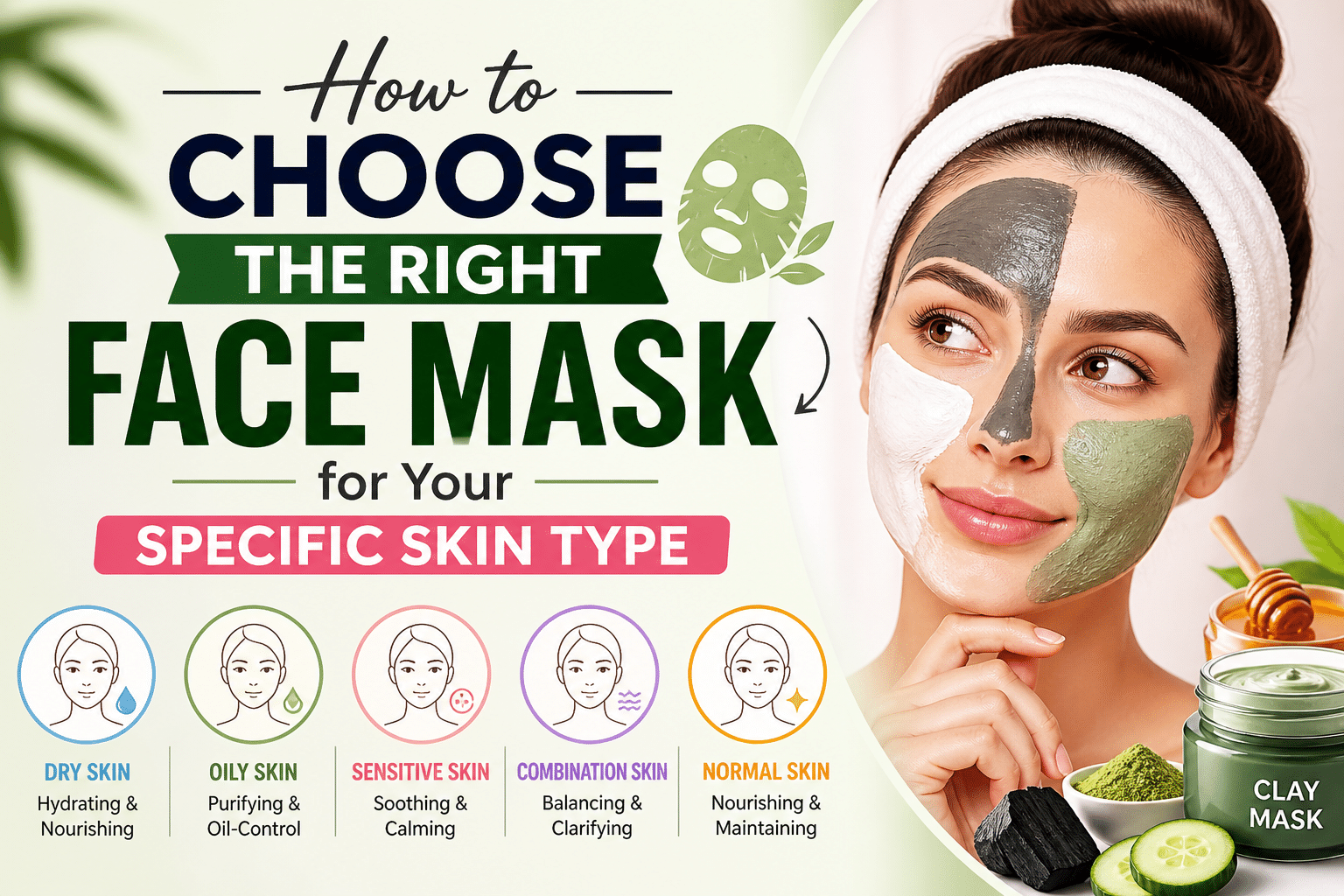
How to Choose the Right Face Mask for Your Specific Skin Type
Figuring out how to choose the right face mask for your specific skin type can completely transform your weekly pamper routine. With endless options lining the shelves—clay, sheet, gel, cream—it’s easy to grab something that looks pretty but does nothing for your skin’s actual needs. That’s where a more thoughtful approach comes in. This guide walks you through every step of selecting the perfect mask so you can hydrate, clarify, soothe, or brighten exactly the way your complexion craves.
Remember: picking the ideal face mask starts with knowing what your skin is asking for, not just following trends.
Step 1: Understand Your Complexion to Select the Ideal Mask
Before you can master your skincare routine, you need accurate self-assessment. Wash your face with a gentle cleanser, pat dry, and wait 30 minutes without applying any product. Observe how your skin feels and looks:
- Tight, flaky, or rough patches → Dry
- Visible shine across forehead, nose, and chin → Oily
- Shine in the T‑zone but normal or dry cheeks → Combination
- Redness, stinging, or reactivity to products → Sensitive
- Active breakouts and clogged pores → Acne‑prone
This simple test is the foundation of identifying the correct treatment, because ingredients that rescue oily skin can severely aggravate dry skin.
Choosing the Perfect Face Mask for Oily Skin
When dealing with excess sebum, clay and charcoal masks become your best allies. These ingredients draw out excess oils and minimize the look of enlarged pores. Kaolin or bentonite clay absorbs shine without stripping the skin barrier, while activated charcoal acts like a magnet for impurities.
Kaolin Clay
Gentle oil absorption, perfect for weekly use.
Charcoal
Detoxifies clogged pores and refines texture.
Niacinamide
Regulates oil and calms redness simultaneously.
Use an oily-skin mask 2–3 times a week and always follow with a lightweight, oil‑free moisturiser. This routine exemplifies the right approach to maintaining balance.
Selecting a Hydrating Face Mask for Dry Skin
For dry skin, finding the best match means avoiding anything that says “purifying” or “mattifying.” Instead, look for creamy, gel‑based masks loaded with humectants and emollients. Ingredients like hyaluronic acid pull water into the skin, while shea butter and squalane lock it in.
Sheet masks drenched in milky essences are also a quick way to flood parched skin with moisture. The main goal here is to rebuild the moisture barrier, not strip it.
Hyaluronic Acid Shea Butter Ceramides Aloe Vera
Finding the Right Face Masks for Combination Skin
If your forehead shines while your cheeks feel tight, the best strategy often involves two masks at once. Apply a clay‑based mask on the T‑zone (forehead, nose, chin) and a hydrating cream mask on the drier areas. This targeted method, often called multi‑masking, perfectly illustrates smart masking when no single formula does everything.
T‑Zone
Use a clay or charcoal mask to control shine.
Cheeks
Apply a rich hydrating mask with squalane or honey.
Picking Safe Formulations for Sensitive Skin
When sensitivity is your baseline, mask selection becomes a matter of soothing, not stimulating. Choose masks labelled fragrance‑free, alcohol‑free, and with minimal ingredient lists. Oatmeal, centella asiatica (cica), chamomile, and plain aloe vera gel are reliable calmers.
“The American Academy of Dermatology recommends patch‑testing any new face mask on a small area of skin before full application, especially for sensitive skin.”
— American Academy of Dermatology
This careful approach significantly reduces the risk of redness or irritation.
Clarifying Options for Acne‑Prone Skin
Breakouts require a careful strategy when treating active blemishes. Salicylic acid (BHA) penetrates pores to dissolve clogs, while sulfur and tea tree oil offer antibacterial benefits. However, overly drying masks can trigger rebound oil, so pair active masks with a soothing one on alternating days.
When picking a mask for blemishes: look for non‑comedogenic labels and avoid heavy, pore-clogging ingredients like coconut oil.
How to Pick a Face Mask for Normal Skin
If you’re blessed with balanced skin, your focus revolves around maintaining radiance and preventing future concerns. Antioxidant‑rich masks with vitamin C, green tea, or fruit enzymes provide gentle exfoliation and brightening. Gel masks with rose water deliver a fresh, dewy finish.
Ingredients to Look For When Masking
Making an informed choice requires a quick look at ingredient labels. Retinol for anti‑aging (dry/oily but not sensitive), Vitamin C for brightening, AHAs for dull texture, and Peptides for firmness. Match the active to your concern, and always check that the base formula aligns with your skin type.
How Often Should You Use a Face Mask?
The frequency ties directly back to your specific needs. Oily skin benefits from 2–3 clay sessions weekly, while dry or sensitive skin might thrive on one deeply hydrating mask each week. Over‑masking—even with the right product—can compromise the barrier. Your skin’s response will tell you if you’ve found your perfect match.
Conclusion: Finding Your Ideal Face Mask
Every complexion has its unique code. When you genuinely understand how to choose the right face mask for your specific skin type, your bathroom shelf stops being a collection of random tubes and becomes a curated toolkit. Start with the observations you made after cleansing, pick ingredients that speak to that condition, and don’t be afraid to multi‑mask or switch seasonally. Your skin will reward you with clarity, softness, and that unmistakable fresh‑faced glow.
Explore more personalised skincare advice in our skin category and keep refining your routine.